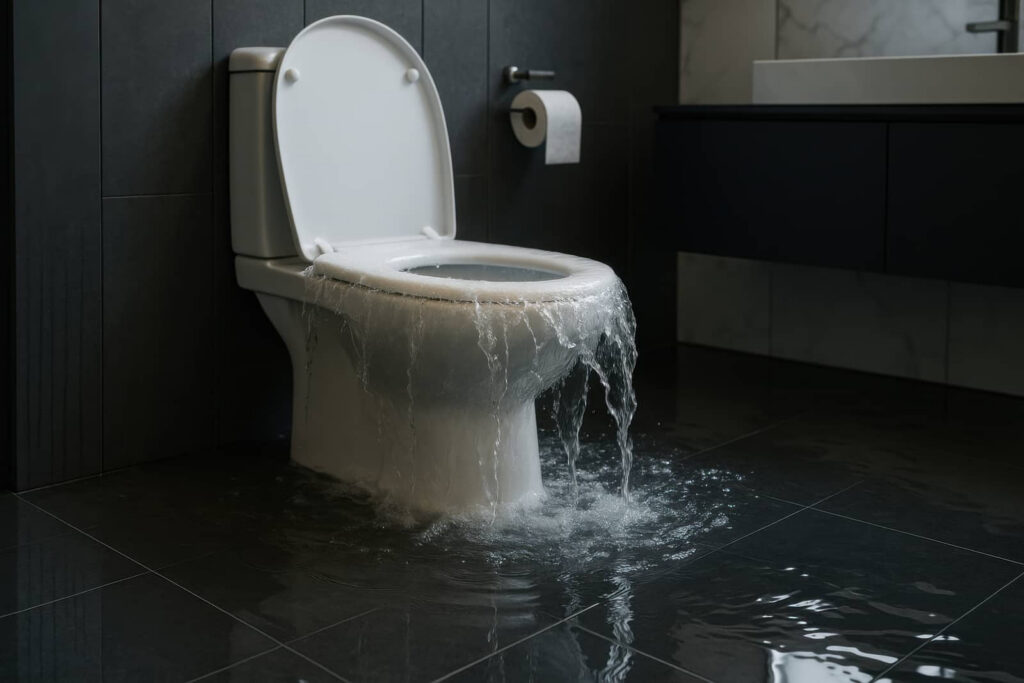
Sewer backup cleanup cost depends on how far contamination spread, how much square footage is affected, and which materials got wet. You’ll also see higher charges when porous flooring, drywall, or subfloors need removal, or when extraction, drying, sanitation, and hazardous waste disposal are required. Mold and repair work can push the total even higher. The real question is which of these factors applies in your case, because the answer changes the bill fast.
Key Takeaways
- Cleanup cost depends on how far the sewage spreads and how much of the property is affected.
- Larger affected square footage increases labor, materials, and disposal costs.
- Porous materials like drywall, insulation, and flooring often need removal, raising repair expenses.
- Water extraction, drying time, and emergency sanitation services add to the total bill.
- Mold risk, disinfection needs, and insurance coverage also influence final cleanup costs.
What Drives Sewer Backup Cleanup Cost?
Sewer backup cleanup cost is driven mainly by how far the contamination spread and what materials it touched.
You’ll usually pay more when wastewater reaches drywall, insulation, baseboards, or subflooring, because these porous materials hold pathogens and odors. Hard surfaces can often be cleaned and disinfected, but saturated carpet, padding, and wood may need removal.
The sewer backup cleanup cost also rises when the affected area needs thorough drying, antimicrobial treatment, and odor control to prevent hidden moisture and microbial growth.
If sewage entered multiple rooms, cabinets, or HVAC-connected spaces, crews must isolate, clean, and verify each zone.
You’re not alone in this; a professional team will assess contamination level, document losses, and choose the safest restoration path for your home.
How Much Does Sewer Backup Cleanup Cost?
Sewer backup cleanup usually costs a few hundred to several thousand dollars, with the final price driven by contamination level, affected square footage, and how much drying and sanitation work you need.
You’ll pay more if porous materials like carpet, drywall, or insulation need removal, since they trap sewage and increase labor and disposal costs.
Repair expenses can push the total higher when plumbing fixes, structural restoration, or mold remediation are required after cleanup.
Average Cleanup Costs
Cleanup costs for a sewer backup typically range from a few hundred dollars for a small, contained incident to several thousand dollars when contamination spreads through flooring, drywall, insulation, or contents.
In many homes, you can expect a basic response to fall around $500 to $1,500, which often covers extraction, disinfection, and limited removal of damaged material.
Moderate jobs commonly land between $1,500 and $4,000 when crews need more labor, equipment, and drying time.
Larger losses can exceed $5,000, especially when you need multiple rooms restored.
You’ll usually pay for emergency service, cleanup, sanitation, and debris disposal as separate line items.
If you’re comparing quotes, make sure each estimate spells out what’s included so you can choose the right team with confidence and avoid surprise charges.
Cost Factors
Several factors drive sewer backup cleanup cost, and the biggest one is how far the contamination spread. If wastewater reaches only a small area, you’ll usually pay less than if it wicks into walls, subfloors, or insulation.
You also pay more when porous materials hold contamination and require removal. Drying time, dehumidifier use, and antimicrobial treatment add labor and equipment charges.
You’re part of the process, so document damage quickly and keep people out of affected rooms.
- Contamination level and square footage
- Material type: tile, drywall, carpet, or insulation
- Moisture removal, drying, and odor control
- Sanitation, disposal, and testing needs
Repair Expenses
After the cleanup crew removes contaminated materials and dries the area, repair expenses can become the biggest part of the bill.
You may need to replace drywall, insulation, flooring, baseboards, and subflooring if sewage soaked them. Plumbers often inspect damaged drain lines, toilets, and backflow valves, while electricians check outlets and wiring exposed to moisture.
If water reached structural framing, you’ll likely face carpentry, sealing, and repainting costs too. Your total rises when contamination is severe, because workers must remove more material and rebuild more surfaces.
To keep your home safe, you should document damage, verify code-compliant repairs, and compare estimates from licensed pros. Acting quickly helps your crew limit hidden mold, reduce repeat failures, and restore your space with confidence.
How Contamination Level Raises the Price?
As contamination increases, so does sewer backup cleanup cost because the work becomes more labor-intensive and requires stricter safety measures. You’re paying for technicians to isolate the area, remove hazardous waste, and verify that surfaces meet sanitation standards.
Higher contamination also slows the job, since crews must wear protective gear, use specialized disinfectants, and document each step for compliance. That’s why your bill climbs fast when sewage spreads beyond a small, contained area.
- More testing and inspection time
- Greater use of personal protective equipment
- Longer disinfection and dwell periods
- More labor hours for containment and disposal
When you understand these factors, you can plan better, ask sharper questions, and feel more confident about the cleanup process.
Why Affected Materials Change the Bill?
The materials affected by sewer water can quickly change your cleanup bill because porous items like carpet, insulation, and upholstered materials often can’t be fully sanitized and may need full removal.
Flooring and drywall also drive costs up, since contaminated sections usually need to be cut out, disposed of, and replaced rather than dried in place.
When damage reaches these materials, you’re paying for both demolition and reconstruction, not just cleaning.
Porous Material Loss
Porous materials can turn a sewer backup from a surface cleanup into a much bigger loss because they absorb contaminated water and often can’t be fully sanitized.
When you inspect the affected area, you’ll see that the bill climbs as materials trap bacteria, odors, and fine debris. You’re not just paying for removal; you’re paying for verification that the space is safe again.
Softer materials wick contamination deep inside.
Hidden moisture keeps microbes active longer.
Cleanup crews may need containment and disposal steps.
Replacement costs rise when salvage isn’t reliable.
If you’re facing this, you’re not alone. A prompt assessment helps you decide what can be cleaned, what should be removed, and where your costs will likely increase most.
Flooring And Drywall
Flooring and drywall often drive sewer backup cleanup costs because they soak up contamination differently and fail at different rates.
You’ll usually pay more when carpet, pad, laminate, or engineered wood stays wet, because crews must remove and replace them to stop hidden bacteria and odor.
Tile may survive, but its grout and underlayment can still trap sewage.
Drywall behaves similarly: if water wicks above the baseboard or insulation gets wet, you’ll likely need a cut line and replacement, not just drying.
Your bill rises with demolition, disposal, antimicrobial treatment, drying equipment, and wall repairs.
If you act fast, you can limit spread and protect the rest of your home, which helps your restoration team keep the project smaller and your costs lower.
How Floors, Drywall, and Subfloors Affect Cost?
A few material choices can drive sewer backup cleanup cost more than the water itself, especially when contamination reaches floors, drywall, and subfloors.
You pay more when porous materials soak up waste, trap odor, or weaken structural layers. Solid surfaces usually clean up faster, while carpet, laminate, and gypsum board often need removal. Your cost rises when crews must cut back wall sections or inspect hidden framing for contamination.
Tile often saves you money because it resists absorption.
Hardwood can swell, stain, and need replacement.
Drywall usually gets removed above the visible line.
Subfloors may need patching if sewage penetrates seams.
When you understand material behavior, you can plan smarter repairs and avoid surprise charges later.
How Water Extraction and Drying Affect Cost?
Once damaged materials are identified, the next major cost factor is how much water crews must extract and how long drying takes.
You’ll usually pay more when sewage has spread under baseboards, into wall cavities, or across large rooms, because technicians must pump, mop, and vacuum more water before drying can begin.
They’ll also place air movers and dehumidifiers to lower moisture in framing, flooring, and finishes.
The longer materials stay wet, the more equipment days you need, and that raises labor and rental charges.
Fast drying can limit structural swelling and hidden moisture, so acting quickly helps keep the job manageable.
When you know the scope, you can plan with confidence and avoid surprises.
What Sanitation Steps Add to Cleanup Expenses?
Sanitation steps can add a significant share to sewer backup cleanup cost because crews must disinfect every contaminated surface, not just remove visible waste. You’ll usually pay for labor, approved antimicrobial agents, and repeated wipe-downs that meet health standards.
Technicians may also clean HVAC vents, baseboards, fixtures, and hard-to-reach seams where residue hides.
- Pre-cleaning to strip sludge and biofilm
- Surface disinfection with measured dwell time
- HEPA vacuuming of dry debris after sanitizing
- Final inspection and odor verification
If contamination reaches porous materials, your bill rises because crews often need extra application cycles and more time on site.
These sanitation steps protect your household and help you get back to normal with confidence.
When Mold Remediation Is Necessary?
When water sits long enough after a sewer backup, mold remediation becomes necessary because contaminated drywall, insulation, carpet padding, and framing can hold moisture and support growth within 24 to 48 hours.
You should assume remediation is needed when you notice musty odors, visible spots, or soft, swollen materials after drying begins.
Professionals test moisture levels, inspect hidden cavities, and compare affected surfaces to safe limits.
If porous materials stayed wet or dirty, cleaning alone won’t solve the problem. You’ll need containment, removal of contaminated material, HEPA filtration, and antimicrobial treatment to protect your home and your crew.
Acting quickly helps you stay ahead of widespread growth and keeps the cleanup focused, controlled, and safer for everyone involved.
How Repairs Change the Total Cost?
Repairs can add a large share to sewer backup cleanup cost because the price of cleaning often stops where rebuilding begins.
When wastewater soaks drywall, trim, insulation, or subflooring, you’ll need targeted repairs, not just extraction and sanitizing. You’re part of a process that often includes demolition, drying, replacement, and finish work, and each step raises labor and material totals.
- Remove porous materials that can’t be safely restored.
- Replace damaged flooring, baseboards, and wall sections.
- Dry framing and cavities before closing surfaces.
- Reinstall finishes, fixtures, and sealants to match the room.
The more structural and cosmetic damage you have, the more hours and trades you’ll need.
Choosing partial versus full-room rebuilds changes the budget fast, so precise assessment matters.
What Insurance May Cover After a Backup?
Insurance coverage after a sewer backup often depends on your policy’s endorsements, exclusions, and limits, so you’ll want to review the fine print before you assume cleanup is covered.
If you’ve added sewer or water backup coverage, your insurer may pay for extraction, disinfection, drying, and removal of damaged drywall, flooring, and insulation. Some policies also cover temporary housing if the home becomes unlivable.
Usually, standard homeowners insurance excludes sewer backups unless you’ve purchased an endorsement. You’ll still need to document the loss with photos, invoices, and a mitigation report.
Check whether your deductible applies separately to water damage. If you’re unsure, call your agent quickly, because prompt reporting helps you protect your claim and stay connected to the support you deserve.
Frequently Asked Questions
Does Sewer Backup Cleanup Include Odor Removal?
Yes, sewer backup cleanup usually includes odor removal. You’ll get deodorizing treatments, air scrubbing, and contaminated material removal, so lingering smells don’t return. If damage’s extensive, you may need extra sanitizing and repairs.
How Long Does Sewer Backup Cleanup Usually Take?
You’ll usually need 1-3 days for sewer backup cleanup, though severe contamination or damaged materials can extend it to a week. You’ll get faster completion when professionals extract waste, sanitize surfaces, dry structures, and verify safety.
Can I Stay in My Home During Cleanup?
You can sometimes stay, but you shouldn’t if contamination, odors, or drying equipment affect your space. You’ll need a safe, isolated area, good ventilation, and clearance from technicians before reentry during cleanup.
Are Personal Belongings Cleaned or Replaced?
You’ll clean salvageable belongings with antimicrobial methods, but porous items often need replacement. You should discard heavily contaminated items, document losses for claims, and let professionals decide what’s safe based on contamination, material, and drying.
Does Emergency Service Cost More After Hours?
Yes, after-hours emergency service usually costs more, but you get faster response and less damage. You’ll pay premium labor rates, yet quicker containment can lower overall cleanup, drying, and repair expenses.
Summary
In the end, your sewer backup cleanup cost hinges on how far the issue has spread, how severe the contamination is, and which materials have been affected. You’ll also see higher charges when you need extraction, drying, sanitation, or a bit of mold mitigation. If repairs are needed, the total can rise quickly. Careful documentation and a clear estimate help you stay ahead of surprises and keep the process as manageable as possible.