
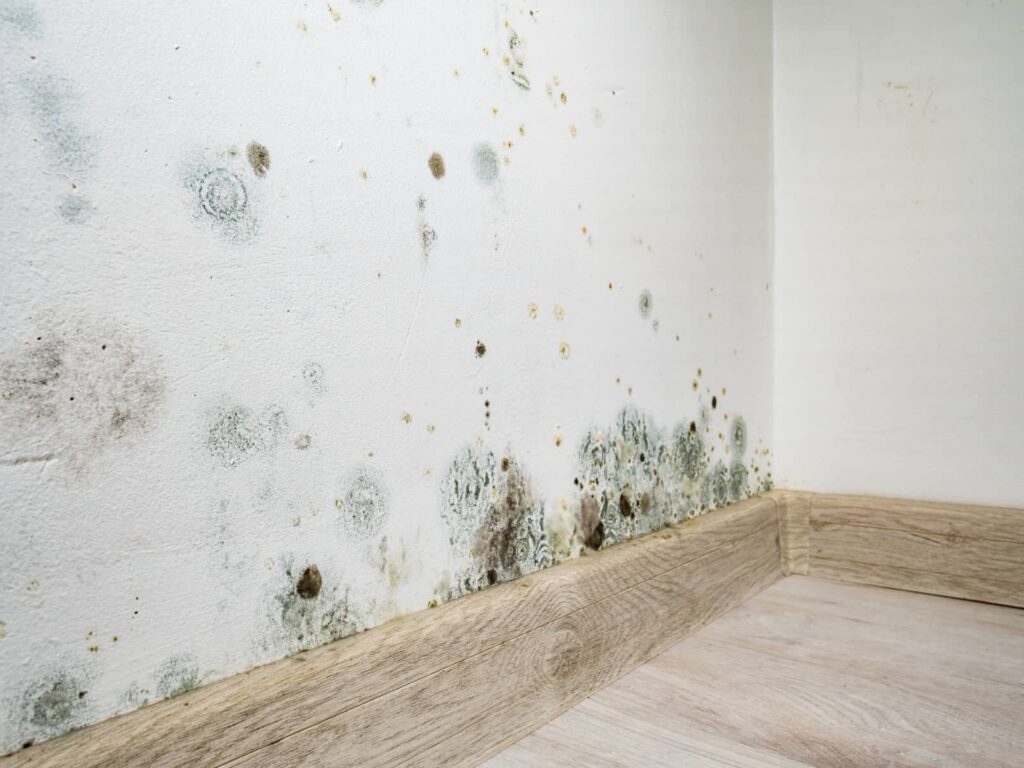
Like a clock ticking behind a wall, mold remediation rarely follows a fixed schedule. You can expect anything from a few days to several weeks, depending on how much material is affected, how fast you stop the moisture source, and whether containment is needed. Smaller jobs move quickly; hidden damage, testing, and drying can extend the timeline. The real question is which factors are slowing your project down.
Key Takeaways
- Mold remediation usually takes a few days to several weeks, depending on the size and severity of the problem.
- Small, localized mold issues often finish faster than widespread contamination requiring more labor and verification.
- Ongoing moisture problems, like leaks or flooding, can significantly extend the remediation timeline.
- Porous materials such as drywall and insulation take longer because they often need removal and thorough drying.
- Final completion includes drying, cleaning, and testing to confirm moisture is controlled and mold is no longer visible.
What Mold Remediation Usually Takes
Mold remediation usually takes anywhere from a few days to several weeks, depending on the size of the affected area and how quickly the moisture source is controlled.
When you ask how long does mold remediation take, you’re really asking how long it takes to remove contaminated materials, clean remaining surfaces, and verify that your space is safe again.
You’ll often move through inspection, containment, removal, HEPA vacuuming, and final drying in sequence.
Smaller, isolated problems may finish fast, while broader contamination needs more time and coordination.
You don’t need to guess alone; a qualified team can explain each step, set expectations, and help you stay informed throughout the process.
That clarity can make a stressful situation feel more manageable for you.
Main Factors That Affect Timing
Your remediation timeline depends first on controlling the moisture source, because active leaks or humidity will keep feeding mold growth.
You’ll also need time to set up containment, which limits spore spread and protects unaffected areas.
Material drying requirements can extend the schedule further, since structural components must reach an acceptable moisture level before removal or reconstruction can continue.
Moisture Source Control
Before remediation can move efficiently, the moisture source has to be found and stopped, because ongoing water intrusion or elevated humidity can extend the timeline even if visible mold is removed quickly.
You’ll usually need to trace leaks from roofs, plumbing, HVAC condensate, or foundation seepage, then verify that repairs actually eliminate active wetting.
If the issue is intermittent, you may have to monitor conditions with meters or data loggers before the site is considered stable.
Drying saturated materials also takes time, and you can’t rush it without risking regrowth.
Once moisture stays within acceptable limits, remediation crews can proceed with more confidence, and your project stays aligned with the schedule.
When you address the source early, you help protect everyone involved and keep the work moving.
Containment Setup Time
Once the moisture source is under control, the next schedule variable is how quickly the work area can be isolated. You’ll usually see containment go faster in a small room with direct access than in a cluttered, multiroom area.
Your team may need to install plastic barriers, seal doorways, cover vents, and set up negative-air equipment before cleanup starts. If the space has complex layouts, many openings, or shared HVAC paths, setup takes longer because each connection needs careful sealing.
You can help the process by clearing access routes and confirming where workers can enter without spreading spores. When everyone follows the plan, containment stays tight, your project stays on track, and you get the controlled workspace needed for safe remediation.
Material Drying Needs
Material drying needs can greatly shape mold remediation timelines, because wet framing, drywall, insulation, and subflooring often must reach an acceptable moisture level before cleanup can be completed or repairs can begin.
You’ll usually see drying time vary with material type, thickness, saturation depth, airflow, temperature, and ambient humidity.
Porous materials like fiberglass insulation or swollen drywall can hold moisture longer than solid lumber, so you may need dehumidifiers, air movers, and repeated meter checks to verify progress.
If moisture remains trapped, you risk hidden growth and extended delays, even after visible surfaces look dry.
Your remediation team should confirm stable readings before moving forward, so you and your household can trust the space is ready for safe restoration and normal use.
How Moisture Control Speeds Cleanup
You’ll speed mold cleanup by repairing the moisture source first, because active leaks or intrusion keep feeding growth and delay remediation.
Once you stop the water source, you can dry affected materials faster with controlled airflow and dehumidification.
Keeping humidity low also reduces secondary condensation, which helps stabilize the area and shortens the overall timeline.
Moisture Source Repair
Repairing the moisture source is one of the fastest ways to shorten mold remediation time because active leaks, condensation, or drainage failures keep feeding growth and slow drying. You should identify the exact failure point, then verify it’s fixed before cleanup advances. That helps your team work with confidence and keeps the project on track.
- Seal plumbing leaks
- Reroute roof runoff
- Correct HVAC condensation
- Fix grading and drainage
- Replace damaged building components
When you address the source early, you reduce repeat contamination and avoid reopening already treated areas. You also give the crew a stable environment to assess affected materials, so everyone can move through the process with less disruption.
In a well-managed job, source control isn’t optional; it’s the step that lets the rest of the remediation proceed cleanly and efficiently.
Drying Process Speed
Once the moisture source is fixed, drying can begin in earnest, and faster moisture control usually shortens the overall remediation timeline.
You’ll see the biggest gains when technicians remove standing water quickly, increase airflow, and monitor wet materials with meters.
Porous items like drywall, insulation, and carpet pad dry slowly, so you may need selective removal to avoid delays.
Hard surfaces usually dry faster, letting your team move rooms back into service sooner.
Proper containment keeps the cleanup focused, so you’re not drying unaffected areas.
You can track progress through repeated readings rather than guesswork, which helps you and your crew make timely decisions.
When moisture levels drop to acceptable ranges, demolition, cleaning, and reconstruction can advance with fewer interruptions and less risk of repeat growth.
Humidity Control Benefits
Keeping humidity in check helps the cleanup move faster because dry air stops moisture from lingering in walls, flooring, and hidden cavities. You reduce the time mold needs to stay active, so your crew can move from drying to removal sooner.
Stable humidity also limits condensation on cool surfaces, which means fewer wet spots to retest and fewer delays before containment comes down.
- Hold indoor relative humidity below 60%.
- Use dehumidifiers with continuous drainage.
- Monitor moisture with calibrated meters.
- Keep HVAC running to circulate dry air.
- Verify materials reach safe moisture levels.
When you control moisture early, you protect your space, support faster clearance, and keep the remediation timeline tight.
How Damage Size Changes the Timeline
The size of the mold damage is one of the biggest factors in how long remediation takes. If you’re dealing with a small, localized area, you can often finish faster because crews remove fewer materials and inspect less space.
When the affected area spreads across multiple rooms, walls, or HVAC components, you’ll need more labor, more drying time, and more replacement work. Larger jobs also require more detailed moisture checks and post-cleaning verification, which extend the schedule.
You can expect a compact problem to move in days, while a widespread issue may take a week or longer. Your timeline depends on how far the mold has reached, how much material you must discard, and how quickly the structure responds to drying and cleaning.
Why Containment Adds More Time
Containment adds time because crews must isolate the work area before removal starts and keep spores from spreading to clean spaces.
You’ll usually see plastic barriers, taped seams, and negative air equipment set up first. That prep protects your home and gives you confidence that the job’s controlled.
Crews also need time to establish access points, verify airflow, and check that the barrier stays sealed during work. If you’re in the affected space, expect fewer interruptions, but more setup and teardown hours.
- Seal openings with sheeting
- Create controlled entry points
- Run filtered negative air
- Monitor pressure differentials
- Remove barriers after clearance
How Material Type Changes the Timeline
You’ll usually see faster remediation on non-porous surfaces because cleaners can remove mold from the material without major demolition.
Porous materials like drywall, insulation, and carpet often extend the timeline since contamination can penetrate below the surface and require removal.
Hidden material damage can add further delays because you may need extra inspection, opening, and testing before you can confirm the full scope.
Porous Materials
Porous materials can slow mold remediation because they absorb moisture and often trap spores deep within their structure. When you’re dealing with drywall, insulation, carpet, or ceiling tiles, you usually need more time for inspection, removal, and drying.
You can’t rush this step without risking hidden contamination or rebound growth.
- Moisture retention extends drying periods.
- Fibrous interiors make inspection more difficult.
- Contaminated sections often need full removal.
- Dust and debris require careful containment.
- Post-remediation checks take longer on absorbent materials.
If you’re working with a team, expect the timeline to expand as they verify that affected areas are fully cleared.
That extra time helps protect your space, reduce callbacks, and support a healthier environment for everyone.
Non-Porous Surfaces
Non-porous surfaces usually shorten the mold remediation timeline because they don’t absorb moisture or allow spores to penetrate deeply.
You can often clean them with targeted HEPA vacuuming, detergent washing, and antimicrobial treatment instead of removing the material. That means your crew may finish this phase in hours rather than days, especially on metal, glass, tile, or sealed plastic.
Still, you need proper containment, because surface cleaning alone won’t control airborne particles. Technicians verify dryness, inspect joints and seams, and repeat cleaning until visible growth is gone.
You’ll usually move faster to clearance testing once the surface is stable and dry. If you’re comparing materials, non-porous areas typically create the shortest remediation segment, helping your project stay efficient and your space return to service sooner.
Hidden Material Damage
When hidden mold reaches behind drywall, under flooring, or inside insulation, the remediation timeline usually extends because crews must open materials, inspect concealed cavities, and remove contaminated sections rather than simply clean the surface.
You’ll see the biggest delays when porous assemblies trap spores and moisture. Your team may need to document affected areas, isolate dust, and replace structural layers before rebuilding begins.
- Drywall often requires demolition and drying
- Carpet padding usually can’t be salvaged
- Insulation typically gets removed and replaced
- Wood framing may need HEPA vacuuming and treatment
- Tile or metal often shortens the schedule
If your space includes mixed materials, expect a staged process that protects your home and helps your crew stay coordinated.
When Cleanup Takes More Time
If moisture is still present, cleanup usually takes longer because the source has to be fixed before remediation can be completed.
You may also see delays when contamination has spread into multiple rooms, wall cavities, or insulation. In those cases, technicians need extra time to assess the full affected area and verify that no damp material remains.
Drying periods can extend the schedule, especially after leaks, floods, or high humidity events. If building materials hold water, they often can’t be cleared quickly.
Testing and verification can add more time too, since you need objective confirmation that conditions are returning to normal.
These delays don’t mean your project is failing; they usually mean the team is protecting your space, your health, and the long-term success of the cleanup.
How Mold Remediation Works
Mold remediation follows a step-by-step process designed to stop growth, remove contamination, and verify that the area is safe to use again.
You’ll work with a team that isolates the affected space, controls airflow, and removes porous materials that can’t be cleaned. Technicians then clean hard surfaces with targeted methods and dry the area to limit regrowth.
Throughout the process, they address the moisture source, because mold won’t stay gone if the conditions remain wet.
- Inspect the damaged area
- Contain the work zone
- Remove unsalvageable materials
- Clean and dry surfaces
- Restore safe indoor conditions
This method keeps your property organized, limits spread, and helps you return with confidence.
How Testing Affects the Final Schedule
Testing can extend the remediation timeline because the team may need to wait for sampling results before closing out the job.
You’ll usually see this when air or surface samples are collected after cleanup to confirm the affected area meets the project criteria. Labs don’t return results instantly, so your schedule may pause for one to three business days, sometimes longer if the sample load is heavy.
If results show elevated counts, you’ll need another round of cleaning and retesting, which adds more time. Your crew should build this buffer into the plan so you’re not left guessing.
When you understand testing as part of the process, you can stay aligned with the team and move forward with confidence.
Signs Mold Remediation Is Complete
When the job is complete, you should see dry materials, no visible growth, and the moisture source corrected so the area won’t support new mold. You should also notice clean surfaces, sealed containment, and stable indoor humidity near normal levels.
You can verify that demolition debris is gone.
You should find no musty odor in the affected room.
You’ll see repaired leaks, drainage, or ventilation issues.
You should receive clearance or post-remediation testing results.
You can confirm that affected materials meet drying targets.
When these signs line up, your remediation team has likely finished the core work. You’re not just hoping the problem is gone; you’re checking objective conditions that show the space is ready for normal use and ongoing monitoring.
Frequently Asked Questions
Can Mold Return After Remediation Is Finished?
Yes, mold can return after remediation if you don’t fix moisture sources, improve ventilation, or monitor humidity. You’ll reduce risk with drying, containment, proper materials, and post-remediation testing to confirm clean conditions.
Does Homeowners Insurance Cover Mold Remediation Costs?
Usually, your homeowners insurance covers mold remediation if a covered peril caused the moisture, but many policies cap payouts. You’ll need documentation, quick reporting, and possibly testing; otherwise, coverage can slip through the cracks.
Should I Leave My Home During Mold Removal?
You should leave if the removal area’s large, containment’s imperfect, or you’re sensitive; you’ll reduce exposure. If crews isolate one room, use negative air, and test airborne spores, you can often stay safely elsewhere.
Can I Clean Small Mold Spots Myself Safely?
You can clean small mold spots yourself safely if you wear gloves, an N95, and eye protection, fix the moisture source, and scrub nonporous surfaces with detergent. Don’t disturb large, hidden, or recurring growth.
How Often Should Mold Inspections Be Scheduled?
You should schedule mold inspections annually, and sooner after leaks, flooding, or humidity problems. If you’ve had prior mold, inspect every six months, so you can catch moisture issues early and protect your shared space.
Review
In the end, mold remediation usually moves as fast as the damage, moisture, and containment allow. You can expect a short project for small, dry areas and a longer one when hidden mold or active leaks are involved. When the team removes contamination, dries materials, and confirms stable humidity, the work is complete. Think of it like clearing fog from a window: once the source is gone, your space becomes clear, safe, and usable again.