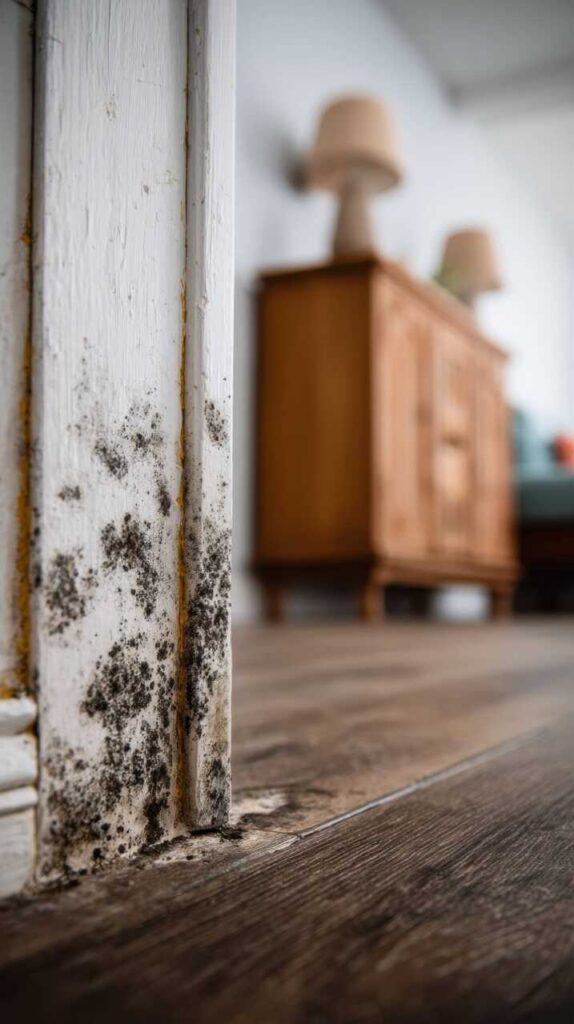
You may not realize that mold removal and mold remediation solve different problems. If you only clean visible growth, you might miss the moisture source that drives it back. Remediation targets the contamination and the conditions that support it, using inspection, drying, and containment. Removal can be enough for very small, isolated spots, but it won’t address hidden damage. The real question is which approach protects your space long term.
Key Takeaways
- Mold removal cleans visible mold, but mold remediation also fixes the moisture source causing growth.
- Remediation uses containment, HEPA filtration, and negative air pressure to prevent mold spread during cleanup.
- Hidden mold may remain behind walls, under flooring, or in HVAC systems after simple removal.
- Use removal for small, isolated areas; use remediation for widespread contamination or water damage.
- Effective mold control requires humidity below 50% and ongoing leak and condensation prevention.
Mold Remediation vs. Mold Removal
Mold remediation and mold removal aren’t the same process, even though people often use the terms interchangeably.
When you compare mold remediation vs mold removal, you see that removal targets visible growth, while remediation addresses the underlying contamination that lets it return.
You need a plan that identifies affected materials, assesses spread, and restores safe conditions. A true remediation strategy also helps you reduce exposure and protect your home’s indoor air quality.
If you’re part of a team protecting your space, this distinction matters because it defines the scope of work and the standard for success.
You shouldn’t judge results by what looks clean alone; you should confirm that moisture sources, hidden colonies, and residual spores no longer support regrowth.
What Mold Remediation Includes
When you pursue mold remediation, you first identify and correct the moisture source that allowed growth to occur.
You then isolate affected areas with containment barriers and remove contaminated materials using controlled cleanup methods.
This process reduces airborne spread and supports long-term prevention, not just surface-level cleanup.
Moisture Source Control
Because remediation targets the source of the problem, it includes identifying and correcting the moisture condition that lets mold grow.
You inspect for leaks, condensation, seepage, high indoor humidity, and hidden plumbing failures, then verify where water is entering or accumulating.
You don’t just dry surfaces; you trace the path of moisture, measure levels, and fix the defect so the environment stays stable.
That may mean repairing roofs, sealing penetrations, insulating cold surfaces, improving drainage, or adjusting ventilation and dehumidification.
When you control moisture, you reduce the conditions mold needs to return.
This is the difference you want: a lasting correction, not a temporary appearance change.
As part of a careful team, you help protect your space, your air quality, and your peace of mind.
Containment And Cleanup
Containment is the next critical step in mold remediation, and it keeps disturbed spores and dust from spreading beyond the work area. You’ll typically see plastic barriers, sealed seams, negative air pressure, and HEPA filtration used to isolate the zone.
Once containment is in place, you can remove contaminated porous materials, clean hard surfaces, and capture fine particles with HEPA vacuums. Approved detergent or antimicrobial cleaning follows, along with careful wipe-downs and repeat inspections.
This process helps you protect adjacent rooms, reduce exposure, and restore a safer indoor environment for everyone in your space. Unlike simple mold removal, remediation doesn’t stop at visible growth; it targets debris, residue, and airborne contamination so your team can return to a controlled, healthier setting.
What Mold Removal Can and Can’t Do
Mold removal can eliminate visible growth and contaminated materials within a defined area, but it can’t correct the moisture source that allowed the problem to develop.
You can still have hidden mold behind walls, under flooring, or inside HVAC components, so inspection and verification matter.
After cleanup, you need moisture control and prevention measures, or the mold can return.
Removal Scope Limits
Even thorough mold removal has clear limits: it can eliminate visible growth and contaminated materials, but it can’t correct the moisture problem that allowed mold to develop in the first place.
You still need to address leaks, humidity, drainage, and ventilation, or the cleanup won’t last. In practice, removal targets affected surfaces, fixtures, and porous items that no longer serve you safely.
It doesn’t rebuild damaged structures, verify indoor conditions, or ensure future resistance to mold. That’s why you should treat removal as one step in a larger plan, not the whole solution.
When you understand these limits, you can make informed choices, protect your home, and work with a team that shares your goal: a dry, stable, healthy space for everyone.
Hidden Mold Risks
Removal can clear visible growth and dispose of contaminated materials, but hidden mold often remains in wall cavities, under flooring, inside HVAC components, or behind cabinetry if moisture and access issues aren’t fully addressed.
You can’t assume a clean surface means a clean structure; spores can persist in dust, insulation, and damp framing. When you inspect, you protect your team and your home.
- Dark wall voids
- Damp subfloors
- Air handler coils
- Cabinet backs
- Ceiling leaks
You’ll often notice staining, musty odor, or recurring irritation before you see colonies. That’s why removal alone can miss the problem source.
If you belong to a property with prior water damage, treat concealed areas as suspect until a thorough assessment confirms what’s actually dry, accessible, and stable.
Prevention After Cleanup
After cleanup, your prevention plan matters more than the visible result, because true mold control depends on eliminating moisture, not just scrubbing surfaces.
You need to correct leaks, manage humidity, and dry materials fast, or spores can rebound. Mold removal can clear contaminated surfaces, but it can’t fix damaged plumbing, poor ventilation, or repeated condensation.
Remediation goes further by identifying the source, treating affected materials, and setting controls that keep your space stable and safe.
Check bathrooms, basements, attics, and HVAC paths regularly, because these are common re-growth zones.
Use dehumidifiers, exhaust fans, and routine inspections to protect your home and the people in it.
When you stay proactive, you join a healthier, better-prepared community.
When Mold Removal Is Enough
Mold removal is enough when the affected area is small, the source of moisture has already been corrected, and the growth is confined to a nonporous or easily cleaned surface. You can usually handle it with targeted cleaning, containment, and proper drying.
To stay aligned with good practice, you should verify that the surface is intact and the stain or film hasn’t spread into porous materials. Use protective gloves and eye protection, and clean with approved products.
This approach works best when you’re dealing with a contained issue that hasn’t compromised building materials or indoor air quality.
- Tile grout
- Glass surfaces
- Metal fixtures
- Painted walls
- Plastic trim
When Mold Remediation Is the Better Choice
When the problem goes beyond a small, isolated patch, mold remediation is the better choice because it addresses both the contamination and the conditions that let it grow. You should choose it when mold spreads across multiple surfaces, affects hidden cavities, or follows water intrusion from a leak, flood, or chronic humidity.
Remediation teams isolate the work area, remove contaminated materials, clean structural components, and verify that airborne spores stay controlled. You gain a safer result when the job needs containment, filtration, and careful material handling rather than a simple wipe-down.
If you want your space restored with fewer surprises and a clearer path back to normal use, remediation gives you that thorough response. It’s the right fit when health, building integrity, and long-term performance all matter.
How Moisture Control Stops Mold Return
Stopping mold for good means controlling moisture at the source, because mold can’t keep growing without a sustained water supply.
You need to dry affected materials fast, correct leaks, and keep indoor humidity below 50%. When you remove wetness, you remove the biological fuel mold depends on, so spores can’t colonize again.
You’ll also protect the building envelope and keep your space healthier for everyone inside.
- Fix plumbing leaks promptly
- Vent bathrooms and kitchens
- Run dehumidifiers in damp rooms
- Insulate cold surfaces to prevent condensation
- Verify drainage moves water away from the structure
How to Choose a Mold Cleanup Professional
How do you choose the right mold cleanup professional? You verify training, licensing, and insurance first.
Ask whether they follow containment, negative air, HEPA filtration, and moisture-source correction, because true remediation targets both contamination and conditions that let mold grow.
Request a written scope that defines inspection, removal, cleaning, and post-work verification.
You should favor companies that explain findings clearly and document photos, moisture readings, and clearance criteria.
Check references from clients who faced similar losses, so you can feel confident you’re joining a well-prepared community of homeowners who solved the problem well.
Avoid firms that promise instant “mold removal” without testing or prevention steps.
The right pro will protect your home, your health, and your trust with precise, accountable work.
Frequently Asked Questions
How Long Does Professional Mold Remediation Usually Take?
You’ll usually see professional mold remediation take one to five days, depending on the area, moisture source, containment needs, and drying time. Larger infestations, hidden damage, or structural repairs can extend it considerably.
Can Mold Cleaning Make Indoor Air Quality Worse?
Yes—mold cleaning can worsen your indoor air if you disturb spores, skip containment, or overlook moisture. You’ll protect your space by sealing work areas, using HEPA filtration, and drying materials thoroughly.
Do I Need to Leave Home During Mold Cleanup?
You may need to leave if cleanup disturbs visible growth, uses strong containment, or affects HVAC. Your contractor should advise based on spore risk, children, pets, and your home’s ventilation and severity.
Will Insurance Cover Mold Removal Costs?
Insurance may cover mold removal if you can tie it to a sudden, covered water loss; you’ll need documentation, quick reporting, and policy review. Exclusions, delays, and maintenance issues often reduce or eliminate your claim.
How Often Should Mold-Prone Areas Be Inspected?
You should inspect mold-prone areas monthly, and after leaks, flooding, or high humidity. Check bathrooms, basements, attics, and HVAC components. You’ll catch moisture early, protect your space, and prevent costly contamination.
Final Thoughts
When you tackle mold, think beyond the dark bloom on the wall. Mold removal can clear what you see, but mold remediation resets the whole environment—drying the hidden leak, cleansing the air, and sealing the conditions that let spores return. You need the right fix for lasting results. Choose carefully, because true control comes when you stop moisture at its source and restore your space to a clean, stable, healthy state.