
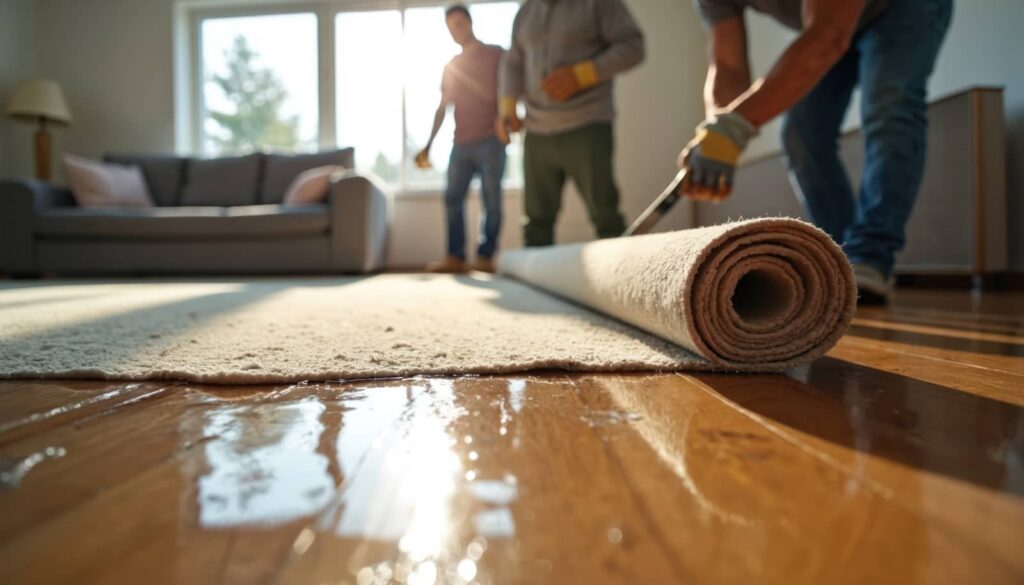
If you’ve just noticed a damp spot in your home, it’s no coincidence that water damage often starts small and spreads fast. You need to act quickly, because the right restoration steps can limit structural loss, prevent mold, and reduce repair costs. In the guide ahead, you’ll learn how to assess damage, dry materials correctly, spot hidden moisture, and decide when professional help can save your property.
Key Takeaways
- Water damage restoration includes inspection, water removal, drying, cleaning, sanitizing, and repairs to prevent structural damage and mold growth.
- Immediate response should stop the water source, shut off electricity in wet areas, protect occupants, and document damage with photos.
- Hidden water damage often appears as stains, discoloration, musty odors, or moisture near windows, pipes, ceilings, and vents.
- Restoration costs depend on damage extent, water source, and response time, with faster action usually reducing total repair expenses.
- Prevention includes inspecting roofs and plumbing, clearing gutters, replacing worn hoses, insulating pipes, and maintaining pumps and water heaters.
What Is Water Damage Restoration?
Water damage restoration is the process of evaluating, removing, drying, cleaning, and repairing areas affected by water intrusion to prevent further structural damage and mold growth.
You rely on water damage restoration when moisture seeps into walls, flooring, insulation, and structural materials after leaks, floods, or pipe failures.
Skilled technicians inspect the damage, measure hidden moisture, and use controlled drying methods to stabilize your property.
They also clean affected surfaces and address contamination risks so your space can recover safely.
When you understand this process, you can make confident decisions and feel supported, not overwhelmed.
Water damage restoration helps protect your building’s integrity, preserve materials, and return your property to a safe, functional condition with precision and care.
What to Do After Water Damage
Once you recognize water damage, your first priority is to stop the source if you can do so safely, then protect people, property, and air quality while you assess the extent of the damage.
Turn off electricity in wet areas, wear gloves, and open windows if outside air is dry. Move furniture, rugs, electronics, and documents to a dry zone, and photograph every affected area for your records.
Remove standing water only if you can do it safely, then dry visible surfaces with towels or fans. Keep children and pets away from saturated materials and musty rooms.
If you smell sewage, see structural sagging, or suspect hidden moisture, contact a qualified restoration team quickly. Acting promptly helps you protect your home and feel supported through the next steps.
How Water Damage Restoration Works
You’ll start with water extraction, where technicians remove standing water using pumps and vacuums to limit further structural damage.
Next, they dry and dehumidify affected materials with air movers and commercial dehumidifiers to reduce moisture in walls, floors, and hidden cavities.
After that, they clean, sanitize, and complete needed repairs so your property’s materials are restored and safe to use.
Water Extraction Process
Fast, thorough water extraction is the first critical step in water damage restoration, removing standing water before it soaks deeper into floors, walls, and structural materials.
You’ll usually see technicians start with inspection, then use submersible pumps for heavy flooding and high-powered vacuums for residual water. They’ll target carpets, subfloors, crawl spaces, and hidden pockets where moisture can linger.
As they work, they monitor saturation levels and adjust equipment to match the source and volume of water. This process helps limit microbial growth, staining, and warping, while protecting the materials that make your space feel like home.
When you act quickly, you join the homeowners who give their property the best chance for a stable, efficient recovery.
Drying And Dehumidifying
After extraction, technicians begin drying the affected areas with air movers and dehumidifiers to pull moisture out of walls, flooring, insulation, and framing.
You’ll hear steady airflow while instruments track humidity and material moisture, helping the crew target hidden wet pockets before damage spreads. Proper dehumidifying lowers indoor vapor, speeds evaporation, and keeps secondary problems from taking hold.
You’re not on this alone; a trained team adjusts equipment as conditions change, so the process stays efficient and controlled.
- Air movers push damp air away from surfaces.
- Dehumidifiers capture moisture from the room.
- Moisture meters confirm drying progress.
- Temperature and airflow stay balanced for consistency.
This method protects your property and gives you confidence that your space is moving back to safe, stable conditions.
Cleaning And Repairs
Once the structure is dry, the crew cleans surfaces, removes contaminated materials, and begins targeted repairs to restore the property’s safety and function.
You’ll see technicians scrub framing, disinfect flooring, and HEPA-vacuum dust, soot, and debris so hidden residues don’t keep spreading. They’ll discard porous items like soaked drywall, insulation, and carpet padding when contamination can’t be fully removed.
Next, they repair damaged drywall, replace warped trim, seal minor structural gaps, and restore electrical or plumbing components as needed.
If mold risk exists, they’ll treat affected areas with approved antimicrobials and verify containment.
Throughout this phase, your team documents each step, tests moisture levels, and coordinates with you so you know what’s being restored, what must be replaced, and when your space will feel safe again.
How to Dry Out Your Property Fast
To dry out your property quickly, you need to stop the source of moisture first, then remove standing water, increase airflow, and lower indoor humidity with professional-grade equipment. You’re not handling this alone; many owners recover fast with a clear plan and steady action.
Use pumps, wet vacuums, and dehumidifiers right away to shorten drying time and protect materials.
- Shut off leaks and safe utilities.
- Extract water from floors and carpets.
- Run fans and dehumidifiers continuously.
- Open doors between affected rooms for circulation.
Check temperature and humidity often so you can adjust equipment as conditions change.
Drying works best when you keep the space clean, organized, and monitored. With prompt steps, you’ll restore a healthier environment and feel more in control.
Signs of Hidden Water Damage
You can often spot hidden water damage by checking for discoloration and stains on walls, ceilings, baseboards, or flooring, especially where leaks may have spread behind surfaces.
You may also notice a musty odor, which usually signals trapped moisture and can create conditions for mold growth.
If you catch these signs early, you can act quickly to limit structural damage and restore your property with less disruption.
Discoloration And Stains
Discoloration and stains often show up first when water damage hides behind walls, ceilings, or floors, and they’re a clear warning that moisture has already spread. You might notice brown rings, yellow patches, or streaks that grow after each leak or storm.
These marks usually track the path of trapped water, so you can use them to pinpoint the affected area.
- Check ceilings for sagging spots.
- Inspect baseboards for dark edging.
- Look near windows, pipes, and vents.
- Compare fresh stains with old, stable ones.
When you act quickly, you protect your property and keep repairs manageable. You’re not dealing with this alone; many owners spot these changes early and restore their spaces before bigger damage develops.
Musty Odors And Mold
When hidden moisture lingers behind walls, under flooring, or inside insulation, it often produces a persistent musty odor and encourages mold growth.
You may notice this smell before you see visible damage, especially in closets, crawl spaces, or HVAC returns. That odor signals microbial activity, not just stale air, so you should inspect nearby materials for dampness, swelling, or soft spots.
Mold can colonize drywall, wood, and carpet padding within 24 to 48 hours, so quick action matters. Restore your space by drying affected areas, improving ventilation, and removing contaminated materials safely.
If the odor returns, you likely still have trapped moisture. You’re not dealing with this alone; prompt professional assessment helps protect your home, your health, and your peace of mind.
How Much Water Damage Restoration Costs
Water damage restoration costs vary based on the extent of the damage, the water source, and how quickly crews respond.
You’ll usually pay for inspection, water extraction, drying, cleaning, repairs, and final verification. Small jobs may stay in the low hundreds, while larger losses can reach several thousand dollars. Your total rises when materials need removal or equipment runs longer.
Inspection and moisture mapping identify hidden wet areas.
Extraction and drying use pumps, air movers, and dehumidifiers.
Sanitizing and deodorizing help restore a safe indoor environment.
Repairs replace damaged drywall, flooring, and trim.
You’re not alone here; reputable teams explain estimates clearly, document every step, and help you prioritize what matters most.
Common Causes of Water Damage
Leaks, burst pipes, overflowing appliances, roof failures, and storm flooding are among the most common sources of water damage in homes and businesses.
You may also face damage from cracked supply lines, failed water heaters, backed-up drains, or hidden condensation in walls and ceilings.
When these issues go unnoticed, moisture can spread through framing, insulation, drywall, and flooring, creating structural stress and indoor air concerns.
If you’re dealing with a water event, you’re not alone; many property owners encounter the same failures after aging materials, severe weather, or mechanical breakdowns.
Early recognition matters because water moves fast and often travels beyond the visible area.
Understanding these causes helps you identify the source quickly and support a faster, more controlled restoration process for your property.
How to Prevent Water Damage
To prevent water damage, you need to control the most common failure points before they turn into costly repairs. Inspect roofs, seals, and plumbing joints regularly, because small leaks often grow quietly.
Keep gutters clear so runoff moves away from your foundation, and grade soil to drain outward. Test sump pumps, shutoff valves, and water heaters before storm season.
- Check under sinks and behind appliances for moisture.
- Replace cracked hoses and worn caulking quickly.
- Insulate pipes in unheated spaces to reduce freezing risk.
- Install leak sensors where water would spread fast.
When you stay proactive, you protect your space and belong to the group of owners who catch problems early, respond fast, and avoid major restoration costs.
Frequently Asked Questions
Does Homeowners Insurance Cover Water Damage Restoration?
Usually, yes—if a sudden leak, burst pipe, or appliance failure caused it. You’ll need prompt claims, documentation, and mitigation. Policies often exclude flooding, seepage, or neglected maintenance, so review your coverage carefully.
How Long Does Mold Take to Grow After Water Damage?
Mold can start growing within 24 to 48 hours after water damage, if you leave moisture behind. You should dry materials fast, control humidity, and inspect hidden areas, because quick action protects your home and community.
Can I Stay in My Home During Restoration?
Yes, you can often stay if repairs are minor and affected areas stay contained. You’ll need good ventilation, limited exposure, and no electrical hazards; your restoration team will tell you when it’s safe.
Should I Hire Professionals for Minor Water Leaks?
Yes, you should hire professionals, even for minor leaks. A tiny drip can become mold’s invitation; like one loose stitch unraveling a sweater, you’ll protect your home better with expert drying, inspection, and repairs.
What Documents Should I Save for an Insurance Claim?
Save your policy, photos, videos, repair estimates, receipts, cleanup invoices, and written damage logs. You’ll strengthen your claim, speed review, and feel supported when you organize everything clearly and submit it promptly.
Conclusion
Water damage restoration helps you protect your property, reduce repair costs, and prevent mold growth. When you act fast, stop the source, and bring in professionals, you improve your chances of a full recovery. Drying and repairs should be handled methodically, like a careful reset after a storm. By staying alert for hidden damage and maintaining your property, you can lower future risks and keep your home or building safe, dry, and stable.