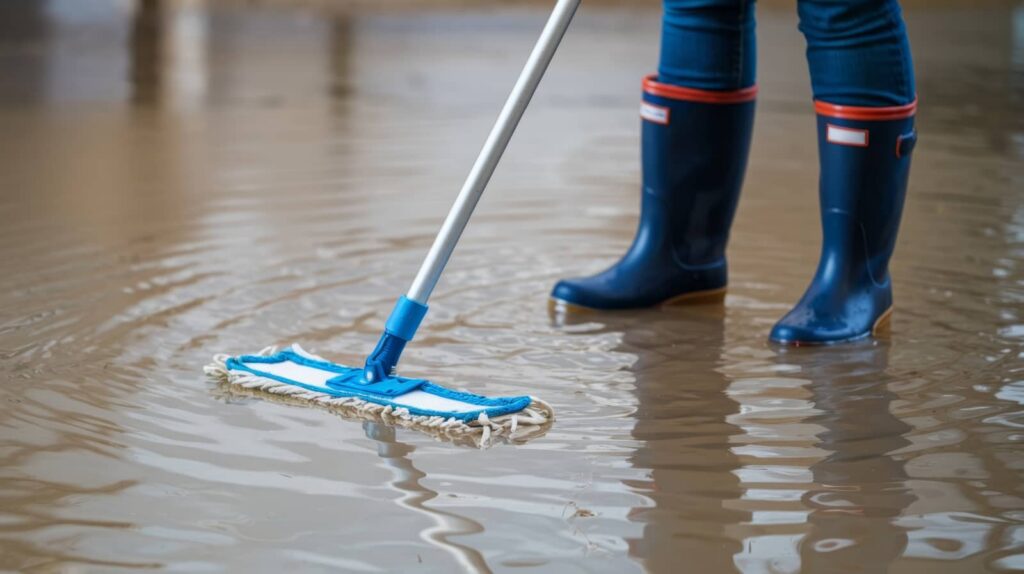
When you face water damage, the cost depends on more than just visible flooding. The water source, the size of the affected area, and how long materials stay wet all change the price. Clean water is usually cheaper to handle, while gray or black water adds labor, safety steps, and disposal costs. Materials that need removal or repair can push the total higher, and the details matter more than you might expect.
Key Takeaways
- Water source matters: clean leaks cost less than gray water, and black water requires more safety measures and disposal.
- The size of the affected area increases labor, equipment, inspections, and overall restoration time.
- Longer wet periods raise costs because drying takes more energy, monitoring, and labor.
- Hidden moisture and inaccessible spaces require extra detection, testing, and follow-up work.
- Damaged materials and systems, such as drywall, insulation, flooring, electrical, or HVAC, often need costly replacement or repairs.
What Affects Water Damage Restoration Cost?
Water damage restoration cost depends on several key factors: the water source, the size of the affected area, how long materials stay wet, and what repairs are needed.
You’ll usually see the price rise when moisture spreads into flooring, drywall, or insulation because crews must remove, dry, and replace more material.
Fast action can keep water damage restoration cost lower by limiting swelling, mold growth, and structural deterioration.
Technicians also measure hidden moisture with meters, set up drying equipment, and document losses for you.
The more rooms involved, the more labor, equipment, and cleanup you’ll need.
If you’re facing damage, you’re not alone—clear assessment helps your team plan the right scope and avoid paying for unnecessary work.
How the Water Source Changes the Price
The source of the water can change your restoration cost dramatically because it determines the level of contamination and the amount of safety work required.
Clean water from a supply line usually costs less to address because you can dry and disinfect it with standard methods.
Gray water from appliances or overflows needs stronger cleaning, odor control, and more labor.
Black water from sewage or floodwater is the most expensive because it carries pathogens, demands containment, and often requires removal of porous materials.
You’ll also see higher charges when technicians must wear protective gear and follow stricter disposal rules.
If you know the source quickly, you can make faster, safer decisions and stay in control with your restoration team.
How Damage Size Impacts Restoration Costs
As the affected area gets bigger, restoration costs usually rise because crews need more labor, equipment, and time to dry, clean, and remove damaged materials.
You’ll also pay more when water spreads from one room into adjacent spaces, since technicians must inspect walls, floors, and hidden cavities.
A small leak may need targeted extraction and spot repairs, while a larger loss often requires broader demolition, contents handling, and more detailed sanitation.
Your cost can climb fast if damage reaches multiple floors or structural components.
The good news: early action helps your team limit the footprint and keep the scope manageable.
When you contact a qualified restoration pro quickly, you give your property the best chance for a faster, more affordable recovery.
Why Drying Time Increases Restoration Costs
Longer drying times usually mean higher restoration costs because crews must keep equipment running, monitor moisture levels, and return for repeated inspections until the structure reaches safe drying targets.
You pay for every extra day dehumidifiers and air movers stay on site, since they draw power and require oversight.
Slow drying also keeps technicians checking hidden cavities, subfloors, and wall assemblies so moisture doesn’t linger and trigger more work.
If your space traps humidity or airflow stays weak, the job takes longer and the bill climbs.
By acting quickly and keeping the area accessible, you help the team dry materials faster and reduce labor hours.
That approach protects your home and keeps you aligned with the restoration crew.
How Materials and Repairs Add to the Bill
Once the structure is dry enough to proceed, repair costs can rise quickly based on what materials got wet and what’s to be replaced.
You’ll usually pay more when water reaches drywall, insulation, subflooring, trim, or cabinets, because these materials can’t always be saved.
Porous finishes often need full removal, while tile, hardwood, or engineered flooring may need partial replacement and refinishing.
If water hit electrical, plumbing, or HVAC components, you may also need licensed trades for safe repairs.
Wall patching, painting, and matching existing finishes add labor and material costs.
You’re not just paying for replacement; you’re paying for restoration that brings your space back to normal.
In a well-coordinated job, each repair step limits hidden damage and helps your home feel like yours again.
Frequently Asked Questions
What Should I Do Immediately After Water Damage Occurs?
You should shut off the water source, turn off electricity in affected areas, move valuables, document damage, and call a restoration professional fast. Start drying what you can, and don’t use contaminated water.
Will Insurance Cover Water Damage Restoration Costs?
You’ll likely get coverage if the damage was sudden and accidental, but not from neglect or flooding. You should review your policy, document losses, and call your insurer quickly to confirm limits and deductibles.
How Long Does Water Damage Restoration Usually Take?
You’ll usually need a few days to two weeks for water damage restoration, depending on saturation, drying, demolition, repairs, and material replacement. You can speed things up by starting extraction, ventilation, and dehumidification immediately.
Can I Stay in My Home During Restoration?
Yes, you can stay in your home if crews isolate affected areas, the water is clean, and drying equipment runs safely. You’ll likely need to leave during sewage, mold, or major structural repairs.
How Can I Choose a Reliable Restoration Company?
Check licenses, insurance, and 24/7 response first, then compare inspections, moisture readings, and written estimates. You’ll choose wisely when they document equipment, explain repairs clearly, and treat your home like part of their own.
Summary
When you face water damage, costs can rise like a tide if you wait too long. You’ll pay less for clean water, but gray or black water adds labor, safety steps, and disposal costs. Bigger affected areas need more equipment and manpower, while slow drying extends the job. If materials are ruined, replacement and repairs increase the bill further. Act fast, and you can limit damage, reduce downtime, and keep restoration costs under control.