
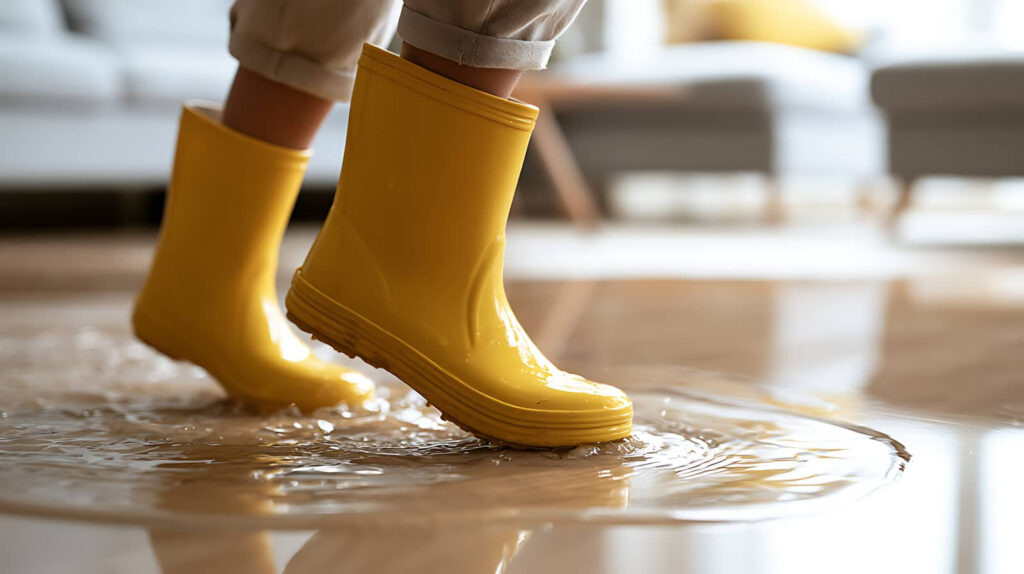
When you spot an active leak, you need to act the same day to limit structural damage, protect finishes, and slow mold growth. You can shut off the water, move belongings, and start drying the area right away, but hidden moisture often spreads farther than it looks. A fast cleanup plan gives you control now and helps prevent bigger repairs later, especially if the damage has already reached walls or flooring.
Key Takeaways
- Shut off the water supply immediately to stop active leaks and prevent further structural damage.
- Remove rugs, electronics, and valuables from wet areas to protect belongings and clear walkways.
- Use fans, dehumidifiers, and wet vacs carefully to dry surfaces and reduce mold risk.
- Inspect the leak source, including pipes, appliances, valves, roof, and drainage issues, then address it quickly.
- Contact a professional same-day water damage cleanup team to assess, document, and restore affected areas safely.
Act Fast After Water Damage
When water damage happens, you need to act fast because every minute increases the risk of structural damage, mold growth, and ruined contents.
You should call for same day water damage cleanup so trained technicians can assess saturation, document affected areas, and start extraction before moisture migrates into framing, drywall, and flooring.
Fast action also helps you protect the space you share with family, roommates, or coworkers, and it keeps cleanup coordinated and efficient.
Use fans and dehumidifiers only if they won’t spread contamination, and keep people clear of soaked materials.
The sooner you respond, the better your chance of limiting repairs, preserving salvageable items, and restoring normal conditions with confidence.
Shut Off the Water Supply
Cut off the water supply as soon as you can to stop the source of the damage and prevent the situation from getting worse. You’re not alone—this is the first move your crew should make.
Find the main shutoff valve, turn it clockwise, and confirm the flow stops. If the leak comes from one fixture, use its local valve instead.
- Locate the nearest shutoff quickly.
- Turn the handle firmly, not forcefully.
- Check faucets for pressure release.
- Call same day cleanup support right away.
If the valve sticks, don’t panic; keep steady pressure and stop before damage worsens.
Once the water’s off, you can regroup and act with confidence. Our team knows these emergencies and can guide your next step fast.
Protect Floors and Belongings
Now that the water source is off, protect the rest of the space fast. Move rugs, cushions, boxes, and electronics to a dry room so they don’t soak up moisture or spread contamination.
If you can’t lift heavy items, slide them onto blocks or foil-backed barriers to keep bases out of standing water. Place towels or plastic sheeting under furniture legs, then use aluminum foil, wood shims, or waterproof pads to limit staining and swelling.
Cover clean valuables in sealed bags or bins, and label them so your family can find them quickly. Keep walkways clear, wear shoes with grip, and ask someone you trust to help you move fragile items.
You’re not alone—smart protection now preserves what matters and makes cleanup feel manageable.
Dry Out the Affected Area
Push moist air out and pull dry air in as soon as the area is safe. You need fast airflow, controlled heat, and steady monitoring to lower moisture before materials stay saturated.
Place fans to sweep across wet surfaces, and run a dehumidifier so the room starts releasing trapped water. Keep doors open if it helps circulation, and close off damp zones from the rest of your home.
- Set equipment to move air across walls and floors.
- Empty shallow puddles with towels or a wet vac.
- Open cabinets and closets so hidden spaces can breathe.
- Check progress often and adjust airflow as needed.
You’ve got this. With quick drying, you protect the space, support your crew, and move one step closer to normal.
Stop Mold Before It Starts
You need rapid drying to stop mold before it starts, because lingering moisture gives spores the conditions they need to grow.
Check hidden areas like wall cavities, under flooring, and behind baseboards, since surface dryness can hide trapped water.
When you act fast and verify every damp zone, you cut the risk of secondary damage and keep the cleanup under control.
Rapid Drying Matters
When water lingers, mold can start fast, so rapid drying is critical after leaks, appliance failures, flooding, or sudden water intrusion. You need strong airflow, steady dehumidification, and fast extraction to lower moisture before growth takes hold.
In a same day response, you’re not just drying surfaces—you’re protecting your home’s structure and your household’s comfort.
- Remove standing water quickly.
- Run air movers to speed evaporation.
- Use dehumidifiers to pull moisture from the air.
- Keep affected areas open and moving.
Acting now helps you stay ahead of odor, swelling, and costly deterioration. You’re not dealing with this alone; prompt cleanup gives you a clear path back to normal, with less stress and better results.
Hidden Moisture Checks
After the visible water is gone, hidden moisture can still linger inside walls, under flooring, and behind baseboards, so a thorough moisture check is essential to stop mold before it starts.
You need meter readings, thermal scans, and careful inspection at seams, corners, and penetrations. These tools reveal damp pockets you can’t see but that can feed mold and weaken materials fast.
If readings stay elevated, you should open affected cavities, remove wet insulation, and keep air moving until everything reaches safe levels.
Acting now helps you protect your home, your comfort, and the people who count on this space.
With same day cleanup, you’re not handling this alone—you’re joining a fast, focused response that limits risk and brings your place back under control.
Know When to Call a Pro
If you keep seeing damp spots, musty odors, or recurring drips, you’re dealing with persistent leak signs that won’t fix themselves.
Hidden moisture can spread behind walls, under flooring, and into insulation fast, so don’t wait for visible damage to confirm the problem.
Call a pro right away for same day water damage cleanup, and you’ll cut losses, protect materials, and speed recovery.
Persistent Leak Signs
Persistent leaks can hide behind walls, under sinks, or around appliances, and they often signal a problem that won’t fix itself. You’ll notice the same warning signs again and again, and that pattern means it’s time to act fast and call a pro who understands same day water damage cleanup.
A steady drip returns after you tighten fittings.
Water stains spread or darken near cabinets and trim.
Floors feel soft, warped, or uneven underfoot.
Musty odors or frequent dampness keep coming back.
When you spot these signs, you’re not overreacting—you’re protecting your home and your crew. Fast response limits damage, restores confidence, and helps you get back to normal with less stress.
Hidden Moisture Risks
Hidden moisture can spread out of sight behind drywall, under flooring, and inside insulation, so a surface dry-out doesn’t always mean the problem is gone.
You may see clean walls and still trap water in cavities, where it feeds swelling, corrosion, and microbial growth. That hidden dampness can also weaken adhesives, warp trim, and damage subfloors before you notice a smell or stain.
Watch for cool spots, soft flooring, peeling paint, and rising humidity. If your leak hit porous materials, can’t be fully accessed, or keeps showing new damp areas, you need a pro with meters and extraction tools.
You’re not alone here; fast, skilled help protects your space and helps your home get back to normal.
Professional Response Timing
When water keeps spreading, soaking porous materials, or raising indoor humidity, it’s time to call a pro. You need fast extraction, moisture mapping, and structural drying before mold, swelling, or electrical hazards spread.
Your crew should arrive with meters, air movers, dehumidifiers, and containment, so you’re not fighting the leak alone. Same-day response protects your home and your routine, and it helps you stay in control with a team that knows the process.
- Shut off the source if you can.
- Call for same-day mitigation.
- Document damage for claims.
- Start drying within hours.
That quick action can save flooring, drywall, and insulation, while giving you a clear path forward with people who’ve got your back.
Prevent Future Water Damage
To prevent future water damage, you should identify and fix the source of the problem right away, whether it’s a leaking pipe, failed appliance, roof intrusion, or drainage issue.
You’ll protect your home faster when you inspect shutoff valves, hose connections, seals, flashing, and grading before the next storm or pressure surge.
Dry materials completely, then replace warped drywall, damaged insulation, and compromised flooring so hidden moisture doesn’t return as mold.
Test plumbing and appliances regularly, and install leak sensors near sinks, water heaters, and laundry areas for early alerts.
When you act quickly, you join other prepared homeowners who stay ahead of emergencies.
A skilled restoration team can help you verify repairs, reduce risk, and keep your space safe, stable, and ready.
Frequently Asked Questions
How Quickly Should Cleanup Start After a Leak Begins?
You should start cleanup immediately, ideally within minutes, because water spreads fast and soaks materials. Acting now reduces structural damage, mold growth, and stress, and you’ll protect your space and restore control quickly.
Can Same-Day Service Handle Sewage Backups Too?
Yes, you can count on same-day service for sewage backups too. You’ll get rapid extraction, disinfection, and drying, reducing health risks and structural damage. Acting fast helps you stay protected and restores your space sooner.
Will Water Damage Cleanup Help With Insurance Claims?
Yes, you can strengthen insurance claims by documenting damage, drying quickly, and providing detailed reports. You’ll show the loss clearly, reduce further damage, and support adjuster review, which often speeds approval and reimbursement.
What Tools Are Used for Same-Day Water Extraction?
You’ll use submersible pumps, wet/dry vacuums, air movers, dehumidifiers, moisture meters, and extraction wands—think of a rescue crew. You’ll remove water fast, protect your space, and keep your home’s recovery on track.
Is It Safe to Stay Home During Active Water Cleanup?
No, you shouldn’t stay if water threatens electricity, ceilings, or contaminated areas. You can remain only if pros confirm it’s safe, the source is controlled, and you avoid affected rooms until cleanup crews finish.
Final Thoughts
When you face an active leak, every minute counts. Shut off the source, protect your floors and belongings, and dry the area fast to limit structural damage and mold growth. Did you know mold can begin developing in as little as 24 to 48 hours after water exposure? If the damage is spreading or hidden, call a pro right away. Same day water damage cleanup helps you act quickly, reduce repairs, and protect your home.