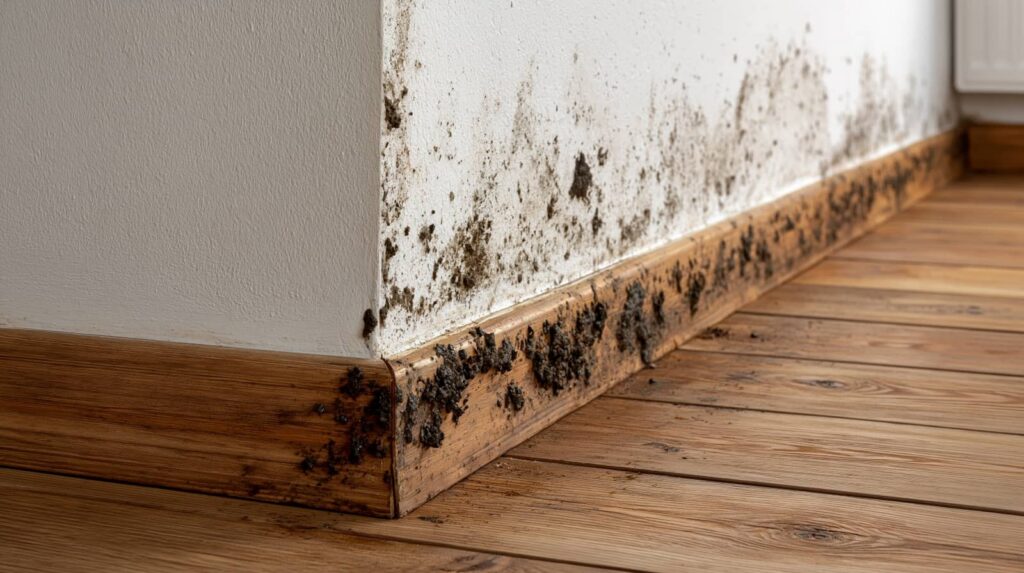
You pay for mold size, you pay for moisture source, and you pay for access complexity. Bigger infestations, hidden growth, and damaged materials drive labor, containment, removal, and repair costs upward. If you don’t correct the moisture source first, the problem can return and expand the bill. Testing, cleanup, and reconstruction can also shift the total quickly, especially when contamination reaches adjacent spaces, and the details matter more than you might expect.
Key Takeaways
- The larger the mold-affected area, the higher the labor, materials, and containment costs.
- Hidden or persistent moisture sources increase diagnostics, repairs, and the risk of mold returning.
- Difficult access, such as tight spaces or HVAC systems, raises labor and equipment expenses.
- Removing contaminated materials and replacing damaged building components adds significant remediation costs.
- Testing, HEPA filtration, protective gear, and post-cleanup verification also increase overall expenses.
What Drives Mold Remediation Costs?
Mold remediation costs vary based on how much area is affected, where the mold is growing, and what caused the moisture problem in the first place.
You’ll usually see higher mold remediation costs when the source remains active, because technicians must locate, stop, and verify the moisture issue before cleanup can begin.
Access conditions also matter: tight cavities, finished surfaces, and HVAC systems require more containment, specialized equipment, and labor.
The remediation team then removes contaminated materials, cleans adjacent surfaces, and performs air filtration to limit spread.
If the damage includes drywall, insulation, or flooring, you’ll also pay for targeted repairs.
When you understand these drivers, you can compare estimates confidently and feel more aligned with the process.
How Mold Size Affects Price
You’ll usually see mold remediation costs rise as the affected area increases, because larger footprints require more labor, materials, and time.
Spread matters too: when mold extends into adjacent cavities, finishes, or structural components, your scope expands beyond surface removal.
Containment requirements also increase price, since larger or more dispersed growth often needs stricter isolation to prevent cross-contamination.
Affected Area Size
The size of the affected area is one of the biggest drivers of mold remediation cost because larger infestations require more labor, containment materials, removal time, and disposal.
You’ll usually pay more as square footage increases, since technicians must inspect, isolate, clean, and verify more surfaces. A small patch in a closet costs far less than mold across multiple rooms or structural components.
You can expect pricing to rise with the number of affected materials, the accessibility of the area, and the amount of labor needed to remove contaminated drywall, insulation, or flooring.
When you understand the scope early, you’re better positioned to compare estimates and choose a qualified team that fits your project and your home.
Spread And Containment
Once an infestation starts spreading beyond a single surface, remediation costs can climb quickly because technicians need to isolate each contaminated zone and prevent spores from migrating to clean areas.
You’ll usually pay more when mold reaches walls, insulation, HVAC components, or adjacent rooms, since each added pathway requires stricter containment, air filtration, and longer labor.
Crews may erect negative-pressure barriers, seal openings, and monitor air quality to protect your home and the people in it.
If the spread is limited, they can work faster and remove less material, which lowers cost.
When you act early, you reduce contamination, preserve more building materials, and keep the project within a tighter scope that your budget can support.
Why the Moisture Source Matters
A moisture source can drive mold remediation cost as much as the visible growth itself, because crews must find and stop the intrusion before cleanup can hold.
If you have a leaking roof, failed pipe, condensate issue, or damp crawlspace, the job expands from surface removal to diagnostics, repair, and verification.
Persistent moisture lets mold return, so technicians test humidity, trace water pathways, and confirm materials are dry enough for safe restoration.
Hidden sources behind walls or under flooring take more labor and often require selective demolition, which increases your bill.
When you address the source early, you protect the structure, reduce repeat service, and support a healthier indoor environment for everyone in your space.
How Containment Raises Costs
After crews stop the moisture source, they often need to isolate the affected area before removal begins, and that containment adds real labor and material costs.
You’re paying for barriers, zipper doors, poly sheeting, tape, and the setup time needed to seal openings. In larger or more complex spaces, technicians may build multiple containment zones, which extends the job and increases coordination.
Negative-air machines and HEPA filtration often keep pressure controlled, so contaminants don’t spread into clean areas. That equipment runs throughout the project, raising equipment and monitoring expenses.
Tight access, HVAC connections, and shared living areas can also slow work and require more precautions. When your team protects your home or workplace this way, you gain safer conditions, but containment clearly increases the overall remediation budget.
What’s Included in Mold Removal Costs
Your mold removal cost usually starts with inspection and testing to identify the extent of contamination and the moisture source.
It then includes containment and removal to isolate affected materials and eliminate active growth.
You’ll also pay for repairs and restoration to return damaged surfaces and building components to serviceable condition.
Inspection And Testing
When you evaluate mold remediation cost, inspection and testing often account for an initial, separate line item that helps define the full scope of work.
You’ll usually pay for a visual assessment, moisture readings, and targeted sampling when conditions aren’t clear. A qualified inspector maps affected materials, identifies the moisture source, and documents visible growth so you can make informed decisions with confidence.
Lab analysis may confirm mold type and concentration, while air or surface tests help establish baseline conditions before any work begins. These steps add cost, but they also reduce guesswork and support a plan tailored to your property.
When you understand the findings, you’re better prepared to compare quotes, ask precise questions, and stay aligned with the remediation team.
Containment And Removal
Containment and removal typically make up a major share of mold remediation cost because crews must isolate the affected area, protect clean spaces, and safely remove contaminated materials.
You’ll usually see plastic sheeting, zipper doors, negative-air machines, HEPA filtration, and sealed waste handling in this phase. Technicians work methodically to prevent cross-contamination, which adds labor and equipment time.
They’ll remove porous materials like drywall, insulation, or carpet when mold has penetrated deeply, while cleaning salvageable surfaces with approved methods. Your cost also depends on access, material volume, and how far spores have spread.
When you understand these steps, you can compare estimates more confidently and feel aligned with the remediation team’s process. Clear containment keeps your home safer and helps the work move efficiently.
Repairs And Restoration
Repairs and restoration often follow removal and can greatly affect mold remediation cost because crews may need to rebuild damaged materials and return the area to safe, usable condition.
You’ll usually pay for drywall replacement, insulation, trim, flooring, paint, and any structural repair needed after demolition. If moisture damaged framing or subflooring, technicians may dry, disinfect, and replace those components before closure.
You may also need HVAC cleaning if spores reached ducts. These services help you restore a healthy environment and prevent the same issue from returning.
The scope depends on how far the mold spread, what materials were affected, and whether specialized finishes match your existing space. Clear documentation, coordinated trades, and prompt approval can keep the project efficient and help you feel confident.
How Damaged Materials Raise Mold Remediation Costs
If mold has penetrated drywall, insulation, carpet, or framing, remediation costs rise because crews can’t just clean the surface—they have to remove and replace contaminated materials. You pay for labor, disposal, and careful handling that protects your space and your people.
Drywall cuts out fast but creates dust control needs.
Insulation often traps spores and moisture.
Carpet and pad usually require full removal.
Framing damage can extend drying and verification.
When you understand which materials are affected, you can plan the scope more accurately and avoid surprises. A tighter assessment helps your team work efficiently, confirm cleanup, and restore a safe environment that feels solid again.
When Repairs Add to the Total
Once mold removal is done, repair work can still increase the total cost because damaged building components often need to be rebuilt or finished.
You may need new drywall, insulation, trim, flooring, or cabinets if removal left exposed framing or broken surfaces. Skilled trades often have to restore structural integrity, seal assemblies, and match existing finishes so the area functions and looks consistent with the rest of your space.
If mold affected bathrooms, kitchens, or basements, plumbing, electrical, or carpentry repairs can add labor and materials. You’ll usually pay more when repairs require specialty parts or custom matching.
Planning for restoration helps you stay aligned with your project team and reduces surprises. In practice, repairs turn remediation into a full recovery process for your property.
How Testing and Cleanup Affect the Bill
Testing and cleanup can raise your mold remediation bill because they add labor, equipment, and disposal costs beyond the removal work itself. You’ll usually pay more when technicians sample air or surfaces, confirm contamination levels, and verify clearance after work.
Cleanup also requires containment, HEPA filtration, protective gear, and bagging of waste, which keeps your space safer and helps your team stay aligned on standards.
- Pre-remediation testing identifies scope.
- Post-remediation testing confirms success.
- HEPA vacuuming and wipe-downs extend labor.
- Disposal of contaminated materials adds fees.
If moisture remains, repeat cleaning may be necessary, and that can increase your total quickly.
Clear testing and thorough cleanup protect your property and your peace of mind.
Frequently Asked Questions
How Long Does Mold Remediation Usually Take?
Mold remediation usually takes one to five days, depending on the affected area, moisture source, containment needs, removal extent, and repairs. You’ll often see faster results when you address the leak and dry everything quickly.
Is Mold Remediation Covered by Homeowners Insurance?
You’re often covered if mold stems from a sudden, covered peril, like a burst pipe. You’ll usually need prompt reporting and documentation. Gradual leaks, neglect, and flood-caused mold often aren’t covered.
Can I Stay in My Home During Remediation?
You can sometimes stay home during remediation if containment isolates the work area and airflow stays controlled. You shouldn’t remain if contamination is extensive, HVAC is involved, or technicians recommend temporary relocation for safety.
Does Black Mold Cost More to Remove?
Yes, black mold often costs more to remove because you’ll need stricter containment, testing, and disposal. You’ll pay extra if it spreads widely or damages materials, but species alone doesn’t always drive pricing.
How Often Should Mold Inspections Be Done?
You should schedule mold inspections annually, and after leaks, floods, or musty odors. You’ll catch hidden moisture early, protect your space, and stay part of a healthy, well-maintained home community.
Conclusion
You can keep mold remediation costs lower when you act early, but delays quickly turn a contained issue into a larger, more expensive project. A small, isolated area may need limited cleanup, while hidden moisture, damaged materials, and complex containment can multiply labor, disposal, and repair costs. You’re not just paying to remove mold; you’re paying to correct the conditions that let it grow. Quick assessment and moisture control make the biggest difference.