
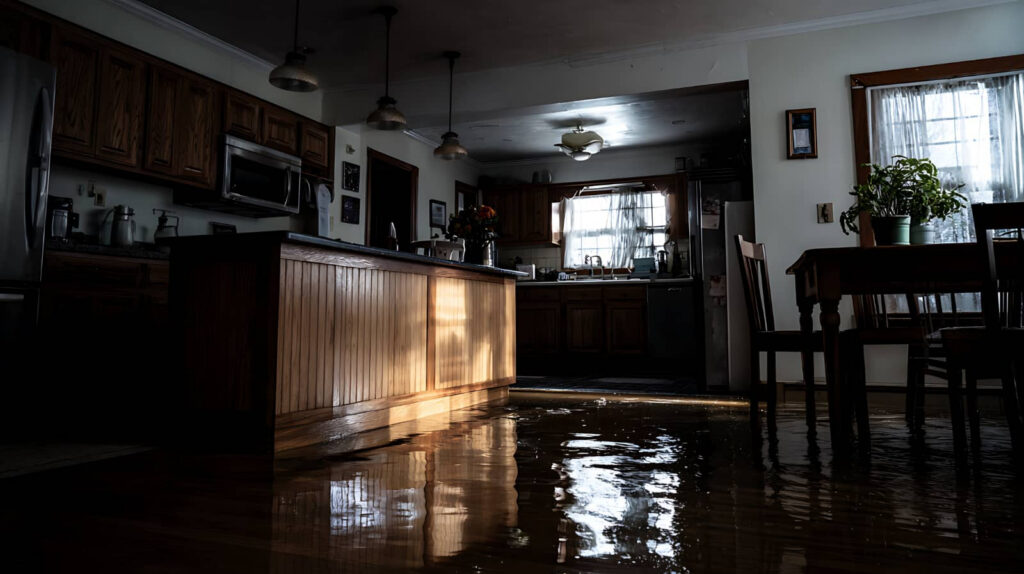
What you may not know is that emergency water damage cleanup starts before drying begins: you first stop the water source and protect unaffected items. Then you inspect the damage, trace the leak, and document what can be saved. Next, you extract standing water and set up air movers and dehumidifiers. After that, you tackle mold, odors, and contamination, then map the repairs. The critical decisions come early.
Key Takeaways
- Shut off the water source, unplug electrical devices, and protect belongings from further damage.
- Inspect affected rooms, identify the leak source, and document wet areas and salvageable items.
- Extract standing water quickly using pumps or wet vacs, then start drying with air movers and dehumidifiers.
- Clean mold-prone or contaminated surfaces, remove soaked porous materials, and improve ventilation.
- Plan repairs based on moisture readings, replacing damaged structural materials before finishing surfaces.
Stop the Water and Protect What Matters
Before you do anything else, shut off the water source if you can do it safely, then move quickly to protect nearby belongings and electrical hazards. You’re taking the first control step in how emergency water damage cleanup works.
Unplug devices, if reachable without standing in water, and keep hands dry. Lift furniture, rugs, and boxes onto blocks or a dry surface. Use towels, foil, or plastic sheeting to shield items that can’t be moved.
Close doors to limit spread, but don’t trap moisture in one room if you can help it. Wear shoes with good grip and avoid wet outlets.
If you’ve got household help, assign one person to gather supplies and one to clear pathways. Acting fast here helps your crew stay safe, organized, and ready for the next cleanup phase.
Inspect the Damage and Find the Source
Once the area is safe, inspect the damage and find where the water came from so you can stop further intrusion and plan cleanup correctly.
Walk through each affected room and note wet flooring, walls, baseboards, ceilings, and contents. Check for stains, swelling, bubbling paint, warped trim, and soft drywall.
Trace the path of the water upward and inward, then identify whether the source is a supply line, drain, appliance, roof leak, or exterior seepage.
Take clear photos and mark affected zones so your team stays aligned. Shut off any remaining source if you can do so safely.
Document what’s damaged, what’s salvageable, and what needs immediate attention.
This careful inspection helps you move fast, protect your space, and work with confidence together.
Extract Water and Dry the Area
Start water extraction immediately to limit spread, reduce structural damage, and speed up drying. Use pumps for standing water and a wet vac for smaller pools.
Pull water from carpet, padding, and hard surfaces in overlapping passes so you don’t leave trapped moisture behind. Move furniture only if it’s safe, and place it on blocks to protect finishes.
Then set air movers to push air across wet surfaces, not at walls, and run dehumidifiers to remove moisture from the air. Keep doors open where needed for airflow, but close off unaffected rooms.
Check moisture readings in flooring, baseboards, and subfloors until they trend down. You’ll know the area’s on track when surfaces feel dry, humidity drops, and your team can move forward together with confidence.
Clean Up Mold, Odors, and Contamination
After the area is dry, inspect for mold growth, lingering odors, and contamination from sewage, floodwater, or damaged materials. You should wear gloves, eye protection, and a respirator before you start.
Remove porous items that stayed wet too long, since they can trap spores and bacteria. Clean hard surfaces with detergent, then apply an EPA-registered disinfectant that matches the material. Scrub visible mold until the surface is clean, and dry it again to limit regrowth.
For odors, ventilate the space and use HEPA filtration or an odor-neutralizing treatment. Bag waste securely and keep clean and dirty tools separate.
If contamination is extensive, get a certified remediation team involved so you can protect everyone and return the space to a safe, healthy condition.
Plan Repairs and Restoration
Map out repairs and restoration based on the damage inspection, moisture readings, and any mold or contamination findings.
You’ll need to prioritize structural fixes, then rebuild damaged finishes, trim, insulation, and flooring. Match each repair to the drying and remediation results so you don’t trap moisture or reinfect clean areas.
Document materials, dimensions, and code requirements before you order parts or schedule trades. If framing, subflooring, or drywall stayed wet too long, replace them instead of patching.
Keep your crew aligned with a clear scope, timeline, and access plan so everyone works efficiently.
Review the estimate with your contractor, confirm insurance coverage, and approve only verified work.
When you plan carefully, you help your home recover safely and you stay part of a team that knows what to do.
Frequently Asked Questions
How Quickly Should a Water Damage Cleanup Team Arrive?
You should expect a water damage cleanup team to arrive within hours, ideally within 24. Quick arrival helps you reduce damage, protect belongings, and start drying before mold and structural issues spread.
Will My Insurance Cover Emergency Water Damage Cleanup?
Usually, yes—if your policy covers sudden, accidental damage. For example, if a pipe bursts in your kitchen, you’ll likely file a claim. You should document everything, call your insurer quickly, and confirm coverage limits.
Can I Stay in My Home During the Cleanup Process?
You can stay home if crews isolate the affected area, control humidity, and maintain safe utilities. If sewage, structural damage, or heavy equipment’s involved, you’ll need temporary relocation until technicians clear hazards.
How Long Does Water Damage Restoration Usually Take?
You’ll usually wait 3–7 days for drying, but full restoration can take 1–3 weeks, depending on damage severity. You should act quickly, because faster extraction, dehumidification, and repairs help your team finish sooner.
What Items Can Be Saved After Severe Water Damage?
You can often save solid wood furniture, metal items, electronics, photos, and sealed documents if you dry them quickly. You’ll usually discard porous materials, like drywall, insulation, carpet, and mattresses, after contaminated flooding.
Wrap-Up
When you face water damage, don’t wait. Shut off the source, protect valuables, and get the area inspected right away. Fast extraction, drying, and disinfecting limit structural damage and reduce mold risk. If you think cleanup can wait until the area looks dry, hidden moisture can still cause serious problems. By following each step in order, you’ll speed recovery, protect your property, and make repairs safer and more effective.