
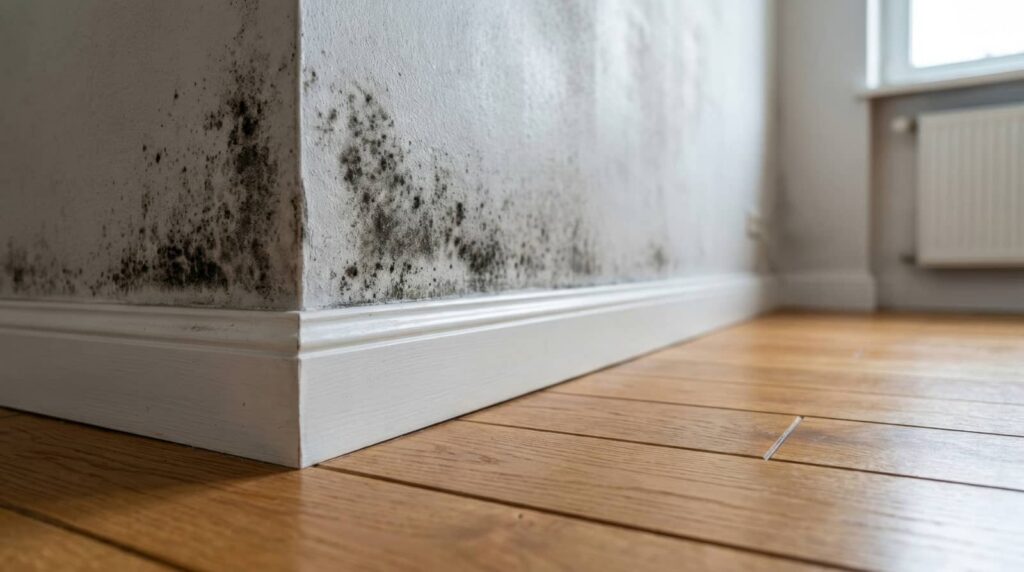
When a small leak went unnoticed in one rental, mold spread behind the walls like a hidden fault line. You need to treat mold remediation as a controlled process, not a cleanup job. You’ll identify the source, contain affected areas, remove contaminated materials, and correct moisture conditions. The real issue isn’t just what you can see, and the next step determines whether the problem stays gone.
Key Takeaways
- Mold remediation removes mold, contains spores, and restores safe indoor air after leaks or water intrusion.
- Warning signs include musty odors, visible growth, water stains, peeling paint, and warped materials.
- Professionals inspect, isolate, remove contaminated materials, dry the area, and verify cleanup completion.
- Prompt action protects structural integrity, reduces repair costs, and lowers health risks from mold exposure.
- Prevent recurrence by fixing leaks, controlling humidity, ventilating wet areas, and monitoring for new dampness.
What Is Mold Remediation?
Mold remediation is the process of identifying, containing, removing, and cleaning mold growth to protect your property and indoor air quality after leaks, moisture intrusion, or visible contamination.
You use mold remediation to control fungal growth before it spreads into framing, drywall, insulation, and HVAC components. The process typically includes inspection, source control, containment, HEPA filtration, removal of contaminated materials, surface cleaning, and verification.
You’ll work best when you address moisture first, because mold can’t persist without it. A qualified team follows containment protocols to limit cross-contamination and restore safe conditions.
When you understand mold remediation, you can make informed decisions and protect your property with confidence. That knowledge helps you stay aligned with other property owners who value healthy, resilient spaces.
Signs You Need Mold Remediation
When should you suspect mold remediation is necessary? You should act when you notice persistent musty odors, visible mold spots, recurring water stains, peeling paint, or warped materials.
If occupants report coughing, headaches, or nasal irritation that improves away from the property, treat it as a warning.
After leaks, floods, plumbing failures, or high humidity, inspect hidden spaces such as basements, closets, attics, and behind baseboards.
Condensation on windows, damp drywall, and stained ceiling tiles also signal trouble.
Don’t wait for the problem to spread; mold can colonize building materials quickly.
As a property owner, you protect your space and the people who rely on it by documenting the issue and arranging professional evaluation promptly.
What Happens During Mold Remediation
During mold remediation, you’ll first get a full assessment and inspection to identify the moisture source, affected materials, and extent of contamination.
Next, technicians contain the work area and remove contaminated materials using controlled procedures to prevent spread.
After removal, they dry the space and complete clearance checks to confirm the property’s been restored to safe conditions.
Assessment And Inspection
Before remediation work starts, a technician will inspect the affected areas to locate visible growth, identify moisture sources, and determine how far contamination has spread.
You’ll get a systematic review of rooms, materials, and hidden cavities where dampness lingers. The technician checks stains, odors, humidity, and surface conditions, then documents findings with photos and notes.
If needed, they’ll use meters or thermal tools to confirm where moisture entered and whether it’s still active. This step helps you and the team define the scope, prioritize repairs, and prevent guesswork.
You’re part of the process, so ask questions and share any leak history or past incidents. A thorough assessment gives everyone a clear plan and supports a safer, more effective remediation outcome.
Containment And Removal
Once the inspection defines the affected areas, the remediation crew sets up containment to keep mold spores from spreading to clean spaces. You’ll see plastic barriers, sealed seams, and negative-air machines controlling airflow within the work zone.
The team removes contaminated porous materials that can’t be cleaned, then bags and labels them for disposal. Hard surfaces get HEPA vacuumed and scrubbed with approved agents to lift residue without driving spores deeper.
You stay informed through clear communication, so you know what’s being removed and why. This controlled process protects your building, your household, and your peace of mind.
Drying And Clearance
After removal, the crew dries the work area to bring moisture levels back to normal and prevent remaining spores from taking hold.
You’ll see air movers, dehumidifiers, and sometimes heat used to restore dry conditions in walls, floors, and framing. Technicians check humidity and material moisture with meters, then keep drying until readings meet target levels.
This step matters because hidden dampness can restart growth and compromise the job.
Once the area’s dry, the team performs clearance. They inspect surfaces, verify that cleanup was complete, and may collect air or dust samples depending on the scope.
You gain confidence when the space passes clearance, because it means the remediation met the required standard and you can safely move forward with repairs and occupancy.
When to Call a Mold Specialist
You should call a mold specialist when you see visible mold growth, because surface contamination can indicate a larger hidden problem.
If you notice persistent musty odors or widespread moisture damage, you need a professional assessment to identify the source and scope of contamination.
Prompt action reduces structural deterioration and limits further mold spread.
Visible Mold Growth
Visible mold growth signals a remediation need, not just a cleaning issue. When you spot fuzzy, discolored, or spreading colonies on walls, ceilings, flooring, or contents, you should treat the area as contaminated.
Don’t scrub it dry or paint over it. First, limit access, shut down affected HVAC zones if possible, and document the damage.
Then contact a mold specialist to assess the source, define the affected materials, and build a removal plan. If the growth covers more than a small area, recurs after cleaning, or appears after leaks or flooding, you need professional containment and filtration.
Acting early helps protect your property and keeps your team aligned with proven remediation practices. You’re not overreacting; you’re following the right protocol.
Persistent Musty Odors
Persistent musty odors often point to hidden moisture and microbial growth even when you can’t see staining or colonies yet. You should treat that smell as a diagnostic signal, not a nuisance.
Start by checking recent leaks, HVAC condensate, and areas with limited airflow. If the odor returns after cleaning, call a mold specialist.
- Document when and where the odor is strongest.
- Isolate affected rooms and limit unnecessary disturbance.
- Request professional inspection, moisture measurement, and targeted sampling.
You don’t need to guess or feel alone in this process. A qualified specialist can identify the source, verify conditions, and recommend corrective action before the problem becomes harder to manage.
Acting early helps you protect your property and stay in control.
Widespread Moisture Damage
When moisture damage spreads across multiple rooms, wall cavities, ceilings, or flooring, it’s time to call a mold specialist because the problem often extends beyond what you can see.
You may have hidden saturation, damaged insulation, and active microbial growth. A specialist will inspect affected assemblies, verify moisture levels, and identify the source so you can stop recurring damage.
They’ll use containment, negative air, and targeted removal to protect your home and the people in it. If you’ve had flooding, long leaks, or warped materials, don’t wait for visible mold.
You’re part of a community of property owners who act early to reduce repair costs and health risks. Prompt professional remediation helps you restore safe conditions with confidence.
How Mold Remediation Prevents Property Damage
Mold remediation stops moisture-driven deterioration by removing growth before it spreads into drywall, framing, insulation, and other porous materials. You protect structural integrity because technicians isolate affected zones, extract contaminated materials, and clean surfaces with targeted methods.
That process reduces ongoing decay and keeps the damage from moving deeper into assemblies.
- Contain the affected area to limit cross-contamination.
- Remove unsalvageable materials before they weaken adjacent components.
- Clean and dry exposed structures so they’re ready for repair.
When you act quickly, you preserve more of your property and avoid unnecessary replacement costs. You’re not handling a cosmetic issue; you’re controlling a material failure process.
With the right remediation plan, you stay ahead of deterioration and keep your property in the group of buildings that recover cleanly and confidently.
How to Prevent Mold After Repairs
After repairs, you need to stop moisture from returning if you want to prevent mold from reestablishing itself. Inspect every repaired area daily for dampness, staining, or odor, and fix any leak immediately.
Keep indoor humidity between 30% and 60% with dehumidifiers and HVAC settings, and ventilate kitchens, bathrooms, and laundry spaces during use. Run exhaust fans long enough to remove steam.
Replace water-damaged drywall, insulation, and carpet only after materials are fully dry. Seal exterior cracks, maintain gutters, and grade soil away from the foundation.
If you dried the space after a loss, continue monitoring with moisture meters for several weeks. You’re part of a property owner community that protects buildings by acting fast, staying consistent, and calling a qualified remediation professional when conditions change.
Frequently Asked Questions
How Long Does Mold Remediation Usually Take?
Mold remediation usually takes one to five days, depending on the extent, moisture source, and drying time. You’ll move faster when you isolate affected areas, fix leaks quickly, and let pros verify complete cleanup.
Is Mold Remediation Covered by Homeowners Insurance?
Usually, you’re covered if sudden, accidental water damage caused the mold; you’re often not if neglect or maintenance issues did. You should review your policy, document damage, and call your insurer promptly.
Can I Stay in the Property During Remediation?
You can sometimes stay, but you shouldn’t if remediation affects your bedroom, HVAC, or containment zone. You’ll follow the contractor’s safety plan, avoid treated areas, and leave when they recommend temporary relocation for respiratory protection.
How Much Does Professional Mold Remediation Cost?
You’ll usually pay $500-$6,000; a 200-square-foot bathroom cleanup may cost $1,500. You should expect more for hidden contamination, and you’ll belong with owners who get inspections, containment, removal, and moisture correction.
Does Mold Remediation Remove Mold Odors Completely?
No, mold remediation doesn’t always remove mold odors completely. You’ll need source removal, drying, and sometimes filtration or deodorization. If hidden moisture remains, odors can return, so you should verify the building’s conditions afterward.
Final Thoughts
You see mold remediation as more than cleanup; it is controlled recovery. Like tracing smoke to a hidden flame, you identify the moisture source, contain the affected area, remove contaminated material, and restore safe conditions. If you delay, mold can keep spreading behind walls and under flooring, weakening finishes and degrading indoor air quality. Stay proactive: fix leaks fast, monitor humidity, and schedule inspections so you can protect your property and prevent recurrence.