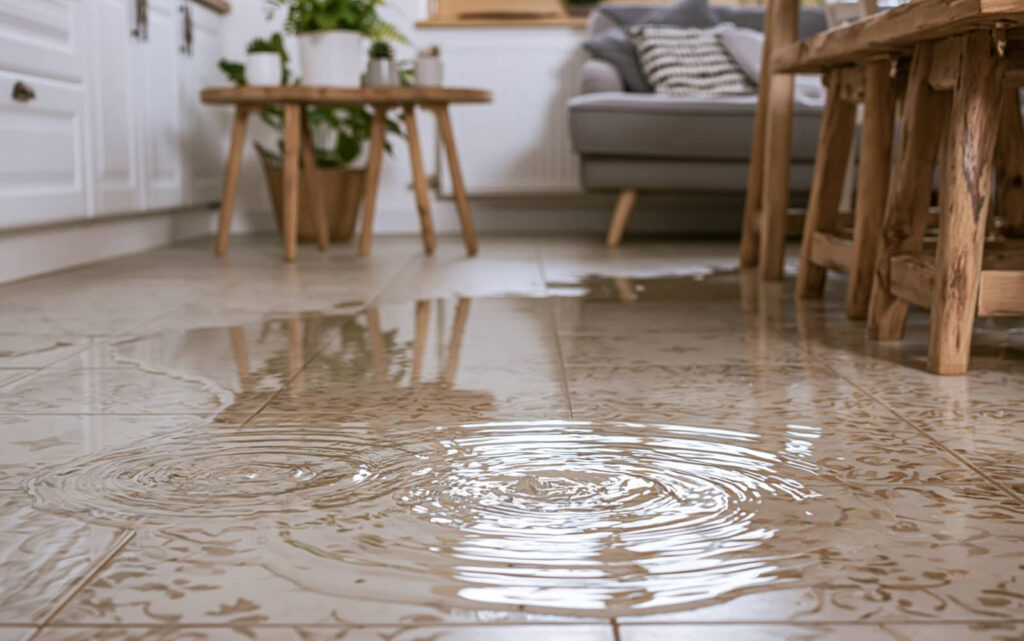
Floodwater can look harmless, but it often carries sewage, bacteria, and hidden debris that can put your home at risk. You need to act quickly, from protecting yourself with proper gear to removing contaminated water and drying affected areas before mold starts. Some materials can be cleaned, while others have to go. The key steps depend on what was soaked, and a few mistakes can make the damage worse.
Key Takeaways
- Treat floodwater as contaminated sewage; avoid contact, wear boots, gloves, and eye protection, and keep children and pets away.
- Turn off electricity, pump out standing water and sludge quickly, and dispose of sewage waste according to local regulations.
- Clean hard surfaces with detergent, then disinfect them with a sewage-approved product after removing visible debris.
- Dry the area completely using fans, open windows, and dehumidifiers; remove wet drywall, carpet, insulation, and other porous materials.
- Call sewage cleanup professionals if contamination entered living spaces, soaked porous materials, or remained standing longer than 24 hours.
How to Stay Safe Around Floodwater
If floodwater has backed up with sewage, you need to keep your distance and treat it as contaminated. You should wear waterproof boots, gloves, and eye protection before you move near it.
Don’t wade through water if you can avoid it, because hidden debris, sharp objects, and pathogens can injure you. Keep children and pets away from affected areas, and wash your hands thoroughly after any contact.
If water touches your skin, remove wet clothing and rinse with clean water as soon as possible.
During sewage cleanup after flooding, turn off electricity only if you can do so safely from a dry location. Ventilate enclosed spaces when conditions allow.
Staying alert helps you protect your household and support a safer recovery together.
When to Call Sewage Cleanup Professionals
Call sewage cleanup professionals when sewage has entered living spaces, soaked insulation or drywall, covered a large area, or remained standing for more than 24 hours.
You need trained crews when contamination reaches porous materials, hidden cavities, or electrical systems, because standard cleaning can leave pathogens behind.
Professionals use protective equipment, extract wastewater, remove moisture, and verify that surfaces meet sanitation targets.
They also assess odors, humidity, and structural damage so you can reoccupy the space with greater confidence.
If you notice backing drains, repeated seepage, or any exposure involving vulnerable occupants, call quickly.
Fast response helps your household stay safer and supports a coordinated cleanup plan.
You’re not handling this alone; qualified help can reduce uncertainty and restore control.
What to Throw Away After Sewage Exposure
You should throw away porous materials that sewage has soaked, including carpet, padding, insulation, drywall, and upholstered items, because they retain contamination and are hard to clean fully.
You should also discard any food, beverages, or medications that came into contact with sewage or floodwater. These items can carry harmful pathogens and shouldn’t be reused.
Porous Materials
Porous materials that absorb sewage-contaminated floodwater usually need to be thrown away because they can hold bacteria, viruses, and other contaminants even after cleaning.
You should remove carpet, carpet padding, upholstered furniture, mattresses, ceiling tiles, insulation, and particleboard items that stayed wet. These materials trap moisture in hidden spaces, so disinfectants can’t reliably reach every contaminated surface.
If you keep them, you may keep odors, mold growth, and infection risk in your home or workspace. Place discarded items in sealed bags or wrap them to limit spread during handling.
Wear gloves, boots, and a mask when you move them. After removal, clean hard surfaces thoroughly and dry the area fast. Your team’s safety depends on strict disposal and careful separation of damaged porous materials.
Food And Medications
After sewage-contaminated flooding, discard any food, beverages, and medications that may have been exposed, even if the containers look intact.
You can’t reliably clean or sanitize items touched by floodwater because bacteria, viruses, and chemicals may enter through tiny openings, caps, or damaged seals.
Throw away canned goods with bulging, leaking, rusted, or deeply dented seams, plus any jars with broken seals.
Refrigerated and frozen foods should go if power was off long enough to warm them above safe temperatures.
Remove prescription drugs, vitamins, and over-the-counter medicines if packaging was wet, damaged, or submerged.
Keep your household safe by separating salvageable items from waste, washing hands after handling discarded supplies, and following local public health guidance.
When in doubt, treat the item as unsafe and replace it.
How to Remove Sewage Water and Sludge
Pumping out sewage water and removing sludge quickly is critical to limit contamination and speed up cleanup. You should shut off electricity to affected areas, then use a submersible pump, wet vacuum, or truck-mounted extractor to remove standing water.
Work from the highest point toward the drain or exit so you don’t spread solids. Stirring sludge can release pathogens, so keep movement controlled and direct waste into sealed containers or approved disposal units.
You’ll need heavy gloves, boots, eye protection, and a respirator to reduce exposure. For thick deposits, shovel or scrape material into lined bags before final pumping.
Keep children, pets, and unprotected helpers away from the area. Dispose of sewage waste according to local regulations, since improper dumping can contaminate shared spaces and waterways.
How to Clean and Disinfect Hard Surfaces
Start by cleaning hard, nonporous surfaces with detergent and water to remove dirt and sewage residue. Then apply a disinfectant labeled for use against bacteria and viruses.
You should scrub countertops, sinks, tile, plastic, metal, and sealed fixtures with clean tools, and rinse if the product label calls for it. Follow the contact time exactly so the disinfectant can work effectively.
Wear gloves, eye protection, and sturdy shoes while you clean, and keep the area well ventilated. Replace cloths, sponges, and brushes that touch contaminated water, since they can spread germs.
If you’re cleaning with your household team, assign one task at a time and avoid cross-contamination between clean and dirty areas.
Wash your hands thoroughly after finishing each surface.
How to Dry Walls, Floors, and Furniture
You should remove standing water from walls, floors, and furniture as soon as possible to limit further contamination and material damage.
Increase airflow quickly with fans, open windows, and dehumidifiers to speed drying and reduce moisture retention.
Once the surfaces are dry, you should disinfect them to help control remaining sewage contamination and lower health risks.
Remove Standing Water
As soon as floodwater with sewage enters a space, remove standing water quickly to limit contamination and speed drying. You should treat every pooled area as contaminated, and you’ll need to work methodically to protect walls, floors, and furniture.
Use a wet vacuum, pump, or bucket to extract water from the lowest points first, then move through the room in sections. Empty and rinse tools often so you don’t spread waste back onto clean surfaces.
If water has soaked into carpets, cushions, or porous furniture, lift items only after you’ve removed nearby water. Take care around damaged outlets and unstable materials. Keep children and pets away from the area.
Fast removal lowers moisture load, helps your team stay safe, and supports the next cleanup steps.
Increase Airflow Quickly
Once standing water is removed, increase airflow immediately to speed drying and limit mold growth and material damage. You should open windows and interior doors when weather allows, so air can move through each room.
Place fans to push air across wet walls, floors, and furniture, not directly into one spot. If you have access to dehumidifiers, run them with closed windows to pull moisture from the air.
Move furniture away from walls and lift cushions, rugs, and loose items so airflow reaches hidden surfaces. Keep air moving continuously during the first 24 to 48 hours.
Check damp materials often, and reposition fans as needed. Good airflow helps your space dry faster, reduces trapped moisture, and supports your cleanup team’s next steps.
Dry And Disinfect Surfaces
Drying must begin immediately after sewage cleanup to slow material breakdown and limit mold and bacteria growth.
You should remove standing water from walls, floors, and furniture with pumps, wet vacuums, or absorbent materials.
Then you can open windows, run fans, and use dehumidifiers to lower humidity and speed evaporation.
Pull away baseboards, cushions, and movable items so air reaches hidden spaces.
Clean hard surfaces with detergent, then apply a disinfectant labeled for sewage exposure and follow the required contact time.
Remove and discard porous materials that stay wet, such as carpet padding or upholstered padding.
Check moisture in wood, drywall, and framing until levels return to normal.
How to Prevent Mold After Sewage Cleanup
After sewage cleanup, you should dry affected areas quickly and completely to stop mold from developing on damp surfaces. Open windows, run fans, and use dehumidifiers to lower moisture in rooms, walls, and floors.
Remove wet insulation, drywall, carpeting, and padding that can trap water and support mold growth. Inspect hidden spaces such as wall cavities, subfloors, and behind cabinets, because trapped moisture can spread unnoticed.
Clean and disinfect salvageable surfaces, then verify they’re fully dry before replacing materials. Keep indoor humidity low and monitor damp areas for several days after cleanup.
If you see discoloration, musty spots, or new dampness, act right away so your home stays safer and your cleanup work lasts.
How to Remove Lingering Sewage Odors
Lingering sewage odors usually mean contaminated residue, moisture, or trapped gases are still present, so you need to remove the source before masking the smell.
Start by ventilating the area and wearing protective gear. Clean all affected surfaces with detergent and hot water, then apply a disinfectant approved for sewage contamination.
Remove porous items like carpet padding, drywall, and insulation if they still smell after cleaning, because they can hold odor and bacteria.
Dry the space completely with fans and dehumidifiers, since moisture keeps odors active.
Check drains, traps, and vents for blockages or dried seals, and refill traps with water.
If odor remains, use an odor-neutralizing treatment or call a restoration professional so your home feels safe and your crew stays protected.
Frequently Asked Questions
How Long Does Sewage Water Remain Hazardous After Flooding?
Sewage water stays hazardous until you remove it and disinfect affected areas; contamination can linger for days or weeks in porous materials. You shouldn’t treat floodwater as safe, even after it dries.
Can Insurance Cover Sewage Cleanup After a Flood?
Yes, your insurance can sometimes cover sewage cleanup after a flood, but coverage depends on your policy and cause of damage. You should check exclusions, document losses, and contact your insurer promptly.
How Do You Document Sewage Damage for a Claim?
You document sewage damage by photographing and videoing affected areas, listing ruined items, saving receipts, and noting dates, times, and cleanup steps. You’ll strengthen your claim with clear records, measurements, and adjuster-ready details.
What Permits Are Needed for Sewage Disposal?
You typically need a wastewater discharge permit and, for transport, a manifest or hauling permit. For example, if you haul flood sludge to a treatment plant, you’ll check local health, environmental, and facility rules first.
Can Well Water Be Contaminated After Sewage Flooding?
Yes, your well water can be contaminated after sewage flooding if floodwater enters the well or surrounding soil. You should test it before use, disinfect it if needed, and avoid drinking until results confirm safety.
Wrap-Up
By acting quickly, you reduce health risks, limit structural damage, and prevent mold growth. You remove contaminated water, you discard unsalvageable materials, and you disinfect hard surfaces. You dry walls, floors, and furniture, and you monitor humidity until conditions stabilize. If sewage has penetrated porous materials or contamination lasts beyond 24 hours, you call professionals. With prompt cleanup, careful drying, and proper disposal, you can restore a safer, healthier environment.