
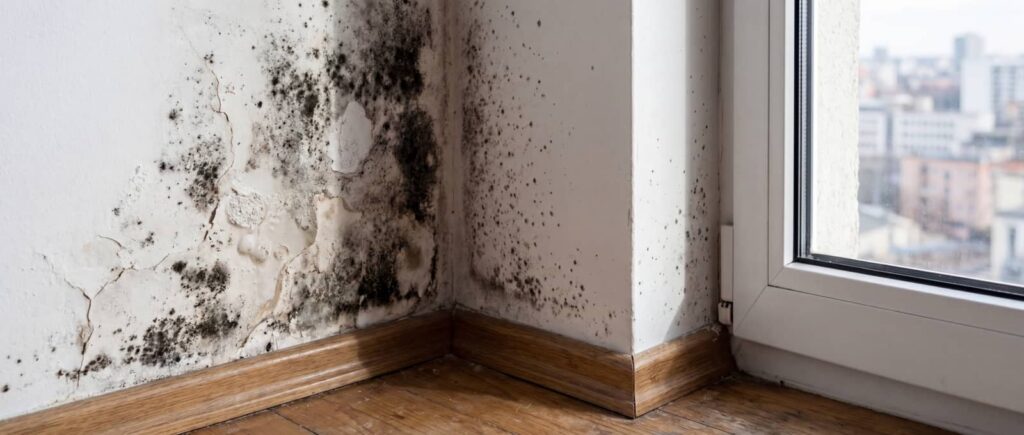
When mold creeps in, it often leaves a trail of quiet warnings before the damage spreads. You might notice a musty smell that won’t clear, dark stains on walls or ceilings, or paint that bubbles from trapped moisture. If your allergy symptoms ease when you leave the area, that’s another red flag. When these signs keep returning, you may be facing a hidden problem that needs prompt action.
Key Takeaways
- Persistent musty odors often mean hidden moisture and mold in walls, basements, or bathrooms.
- Visible mold, dark stains, or discoloration on walls, ceilings, and baseboards signals remediation is needed.
- Peeling paint, soft drywall, warped trim, or bubbling surfaces suggest ongoing water damage and possible mold growth.
- Allergy flare-ups, coughing, watery eyes, or headaches that improve away from home can indicate indoor mold exposure.
- Repeated mold return after cleaning means the moisture source is unresolved and professional remediation is needed.
Common Signs You Need Mold Remediation
Common signs you need mold remediation often show up before you see visible growth. You may notice discoloration on drywall, ceiling tiles, baseboards, or around windows, especially after leaks or condensation.
Softened materials, bubbling paint, warped trim, and damp spots tell you moisture is staying in the structure. If you’re in a shared home, don’t ignore allergy flare-ups, coughing, or irritated eyes that improve when you leave the area.
Repeated growth after cleaning also signals that the source hasn’t been fixed. You need to act fast, isolate affected spaces, and keep humidity low.
These signs you need mold remediation because spores can spread through HVAC systems and nearby rooms. When you respond early, you protect your home, your crew, and your peace of mind.
Musty Odors That Won’t Go Away
A persistent musty odor is often one of the earliest signs you need mold remediation, even when you can’t see visible growth. That smell usually means moisture is trapped in porous materials, HVAC components, or hidden cavities where spores can spread.
Don’t mask it with fragrance; track it down. Check bathrooms, basements, closets, crawl spaces, and areas near leaks, condensation, or poor ventilation. If the odor gets stronger after rain or when the air conditioner runs, you likely have an active moisture source.
You’re not overreacting by taking it seriously; a healthy home starts with clean air. Use a hygrometer, inspect for dampness, and arrange professional evaluation if the odor lingers. Quick action helps protect your household and keeps your space safe.
Stains, Spots, and Visible Mold Growth
If you notice discolored wall stains or dark spots, you should treat them as potential indicators of moisture intrusion and fungal growth.
Visible mold patches on drywall, ceilings, or trim mean the contamination is already established and may be spreading.
You need prompt inspection and remediation to limit structural damage and reduce exposure risk.
Discolored Wall Stains
Discolored wall stains often signal ongoing moisture intrusion and can point to active mold growth behind or within the surface. You should treat these marks as a building-envelope warning, not just a cosmetic issue.
Check for water sources near plumbing, windows, roofs, or HVAC lines, and note whether the stain expands, darkens, or returns after cleaning. That pattern suggests moisture is still feeding microbial growth.
Don’t paint over the area before you identify and correct the source; sealing in the problem can trap dampness and worsen indoor air quality. If you share the space with family or coworkers, act quickly to protect everyone’s health.
A prompt inspection by a qualified remediation professional helps you confirm the cause, limit spread, and restore a safer living environment.
Visible Mold Patches
Visible mold patches often confirm an active moisture problem, especially when you see fuzzy growth, dark spotting, or spreading stains on drywall, wood, tile grout, or insulation.
You shouldn’t treat these marks as harmless cosmetic defects. Mold can colonize porous materials, release spores, and keep growing behind surfaces if you don’t stop the water source.
Check for leaking pipes, roof intrusion, condensation, or high indoor humidity, then isolate the affected area.
Wear gloves and a respirator if you inspect closely, and don’t dry-brush or disturb the patch.
If the area keeps returning, grows quickly, or covers more than a small spot, you need professional remediation.
Acting fast helps protect your home and keeps your household safer together.
Moisture Problems Behind Walls and Ceilings
You need to treat hidden wall leaks and ceiling water stains as warning signs, because moisture can spread out of sight before you notice damage.
Trapped dampness behind finishes creates ideal conditions for mold growth and can weaken building materials.
Inspect these areas promptly and correct the water source before the problem expands.
Hidden Wall Leaks
When leaks develop inside walls or above ceilings, they often stay hidden until mold has already started to spread. You need to treat any unexplained dampness as a safety issue, because trapped moisture can weaken materials and feed hidden growth.
Watch for these clues:
- Musty odors that persist after cleaning
- Soft, swollen drywall or trim
- Peeling paint or bubbling wallpaper
- Repeated allergy flare-ups near the same area
Use a moisture meter and inspect plumbing, roof penetrations, and exterior seals. If readings stay elevated, isolate the area and call a certified remediator.
Acting early helps you protect your home, your health, and the people who live with you. You’re not overreacting; you’re responding like a responsible homeowner.
Ceiling Water Stains
Ceiling water stains often signal an active leak or long-term moisture intrusion above the surface, and you should treat them as a warning that mold may already be growing inside the ceiling cavity.
You might see yellow rings, brown edges, bubbling paint, or sagging drywall after a roof leak, plumbing failure, or HVAC condensation issue.
Don’t ignore a stain that enlarges, darkens, or returns after cleanup; that pattern tells you the source still exists.
You should inspect nearby fixtures, attic framing, and insulation for wetness, but avoid cutting into the ceiling unless you’ve isolated the leak and secured the area.
When you act quickly, you protect your home and your household’s health.
If you belong to a community of careful homeowners, this is the moment to call a qualified mold remediation professional.
Trapped Dampness Risks
Trapped dampness behind walls or ceilings creates a hidden mold risk because enclosed materials stay wet long after the surface looks dry. You may feel at home, but hidden moisture can still damage framing, insulation, and drywall while feeding spores.
Watch for:
- Soft or bulging drywall
- Musty odors near seams
- Peeling paint or bubbling texture
- Repeated staining after repairs
If you notice these signs, act fast. Shut off the water source, document the area, and inspect with a moisture meter or thermal camera.
Don’t seal over the problem; you’ll trap humidity and let mold spread. When you protect your space early, you also protect everyone sharing it.
Where Mold Hides in Bathrooms and Basements
Because bathrooms and basements stay damp more often than other rooms, mold often hides behind grout, under sinks, around tubs, behind toilets, on drywall near leaks, and along basement walls, floors, and window frames.
You should inspect caulk joints, tile edges, plumbing penetrations, and any area where condensation collects.
In basements, check behind stored items, along sill plates, near sump pumps, and under carpet or padding if flooding occurred.
Use a flashlight and look for discoloration, peeling paint, soft surfaces, and musty odor.
Don’t ignore small patches; hidden colonies often spread into framing and insulation.
If you share a home, coordinate checks with everyone so you catch recurring moisture early and protect the whole space.
Health Symptoms That May Point to Mold
If you’ve already found damp areas, hidden staining, or a persistent musty odor, pay close attention to how you feel in that space.
Mold exposure can trigger symptoms that signal an indoor air problem. You may notice:
- Watery eyes or nasal congestion
- Coughing, throat irritation, or wheezing
- Headaches, fatigue, or poor concentration
- Skin irritation or worsening asthma
These signs matter because your body often reacts before visible growth spreads further.
If symptoms ease when you leave the area and return when you come back, treat that pattern as a safety alert. You’re not being overly cautious; you’re protecting your household’s air quality.
Track when symptoms start, note where they happen, and share that information with a qualified inspector or remediation professional.
When Mold Keeps Coming Back
When mold keeps returning after cleaning, you’re likely dealing with an ongoing moisture source, not just a surface problem.
You need to inspect the area for leaks, high humidity, condensation, or hidden water intrusion behind walls, under flooring, or around HVAC components. If you can’t identify and correct the source, the growth will keep reappearing and may spread to nearby materials.
You should also check whether porous items like drywall, carpet, or insulation stayed damp long enough to support regrowth.
A reliable fix usually requires drying, removal of contaminated materials, and restoring safe indoor humidity.
If the same spot reappears, treat it as a warning sign that your home needs professional mold remediation.
Protect your household, act quickly, and bring in help when needed.
Why Mold Damage Gets Worse Over Time
Mold damage worsens over time because moisture keeps feeding growth and allowing it to spread into new materials. You’re not just dealing with spots; you’re facing ongoing decay, hidden colonization, and compromised surfaces that can trap spores.
As time passes, the contamination deepens and cleanup gets harder.
- Porous drywall absorbs moisture fast.
- Framing can stay damp behind finishes.
- Dust and debris help spores settle.
- HVAC airflow can move contamination.
You protect your home best when you act early, because every wet hour gives mold more time to weaken materials and expand its footprint.
That’s why you and your household deserve a dry, stable environment that doesn’t keep cycling through damage.
When To Call A Mold Remediation Pro
Call a mold remediation pro as soon as you see persistent growth, smell a strong musty odor, or notice water damage that keeps returning after cleanup.
You should also call when staining spreads, drywall softens, or visible colonies cover more than a small patch.
If you’ve got allergy symptoms, coughing, or headaches that improve away from home, treat the problem as a safety issue.
A pro can inspect hidden areas, measure moisture, and contain contamination before spores move through your home.
Don’t keep scrubbing the same spot and hoping it stays gone.
You deserve a clean, healthy space, and timely help protects your household, your structure, and your peace of mind.
Frequently Asked Questions
How Quickly Can Mold Start Growing After a Leak?
Mold can start growing within 24 to 48 hours after a leak if you don’t dry materials fast. You should act immediately, remove standing water, and inspect for odors, staining, or recurring dampness.
Is Mold Always Visible to the Naked Eye?
No, you can’t always see mold; it often hides like a silent intruder in walls or HVAC. You should watch for musty odors, staining, moisture, allergy symptoms, and recurring growth, then act quickly.
Can Opening Windows Help Reduce Indoor Mold?
Yes, you can open windows to improve ventilation and lower humidity, which helps slow mold growth. But you’ll still need to fix leaks, dry damp materials, and remove existing mold to prevent recurring contamination.
Should I Test for Mold Before Calling a Professional?
Usually, you shouldn’t test first; like chasing smoke instead of checking fire, you’ll waste time. Call a professional when you smell odors, see staining, moisture, allergy symptoms, or recurring growth—they’ll assess safely and precisely.
Does Homeowners Insurance Cover Mold Remediation?
Usually, your homeowners insurance covers mold remediation only if a covered peril caused it, like a burst pipe. You should review your policy, document damage quickly, and contact your insurer to confirm limits, exclusions, and deductibles.
Recap
If you spot musty odors, stains, or recurring mold, don’t wait for the problem to spread like wildfire behind your walls. You need to act fast because hidden moisture can turn small damage into a serious hazard. Trust your nose, watch for flare-ups, and inspect bathrooms, basements, and ceilings closely. When mold keeps returning, it’s a warning flare. Call a professional mold remediation pro to stop the damage and protect your home.